
Health
Your health and fitness blog for healthy living inspiration. Including exercise, fertility and relationship advice. Get great tips on exercises you can do post pregnancy, plus diet and nutrition tips and information. Hear real stories from our Healthy Mummy Community members and be inspired to live a healthy life today.
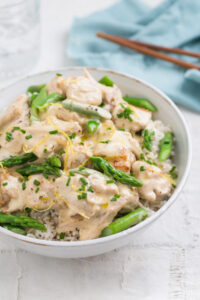
Strengthen Your Immunity: Key Nutrients to Support a Healthy Immune System
We explore the three key nutrients that are crucial for a strong and healthy immune function: Vitamin C, Vitamin D, and Zinc, and how you can easily include them into your day.
Wellness: Move is here!
You may know The Healthy Mummy for our heart-pumping HIIT sessions and muscle-building strength training, but now we’re excited…

Routine Reset with The Healthy Mummy!
Looking to get back into routine? We’ve got just the plan to help you do it!

Try Nathalia’s 5 Favourite Squat Exercises!
Healthy Mummy Fitness Trainer Nathalia Melo knows only too well the benefits of squats! They're a great exercise for helping to build muscle and to get wonderful toned legs. Watch trainer Nathalia do her five favourite squat exercises.

Do you and your partner have mis-matched libidos? You’re not the only ones
If you’re in a relationship with someone who wants to ‘get busy’ more than you or vice versa, then…
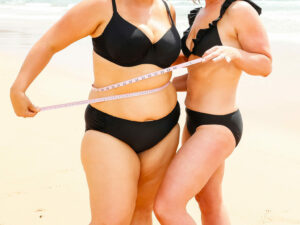
What is your BMI and why you should know it
BMI or Body Mass Index, is a measurement that uses a scientific formula to determine a person’s safest, healthiest weight based…

Calling all Busy Mums! Our 7-Minute HIIT Workouts are here to save the day!
Our 7 Minute HIIT Workouts will help you burn calories and improve your fitness in just 7 minutes!

Feeling Overwhelmed? A Simple Guide to Perimenopause & Menopause
Navigating perimenopause and menopause can feel overwhelming, with hormonal shifts impacting everything from your weight and mood to your energy levels. We believe your health journey should be about feeling strong, supported, and confident at every stage of life.

Purple Power Smoothie
Your kids will love this Purple Power Smoothie but you are going to love it even more with all the nutritional bonuses by including Healthy Mummy Kids Smoothie mix and Healthy Mummy Superfoods Sprinkles.
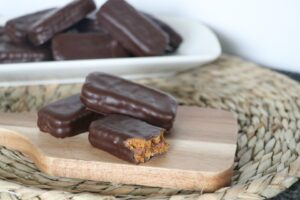
Delicious Caramel Choc Top Smoothie – under 200 calories!
This delicious recipe was sent in by one of our readers from The Healthy Mummy website, it uses our…

4 tips to stop you from falling off the weight loss wagon this Easter
Easter is just around the corner, and with it comes chocolate eggs, hot cross buns and a sugar filled long weekend.
However, just because you’re having a fun, family break over Easter, doesn’t mean it’s time to put your feet up and forget about your health goals.

Do you know how many calories are in your morning coffee?
If you’re like many of us mums, you probably can’t imagine life without your morning cup of coffee. But…
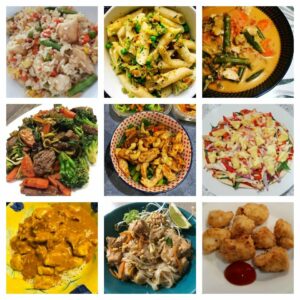
15 FAKEAWAY recipes that will help you LOSE WEIGHT and SAVE money!
Are you tired of the same old takeout routine? Transform your Friday nights with delicious and nutritious fakeaway recipes that satisfy your cravings without the guilt! Healthy fakeaway ideas are the perfect solution for those looking to enjoy their favourite takeaway meals while maintaining a balanced diet.

21 most popular excuses not to have sex
Sometimes getting on down in funky town is the last thing on a busy mum’s mind because quite frankly…

Introducing our brand NEW 28 Day Gut Health Meal Plan!
Our Gut Health Meal Plan will help you feel healthy from the inside out.
BMI Calculator
Welcome to our FREE BMI Calculator. The Healthy Mummy has helped 100,000's of mum lose weight and regain their body confidence and we are confident that we can help you do the same too.rnrnUse this BMI calculator to check your body mass index (BMI) and find out if you’re a healthy weight
Is Body Mass Index reliable?
Please enter your weight and height as accurate as possible. Your results will appear here.
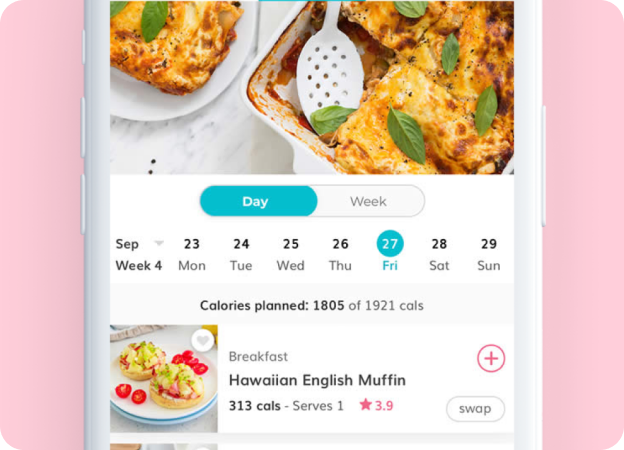


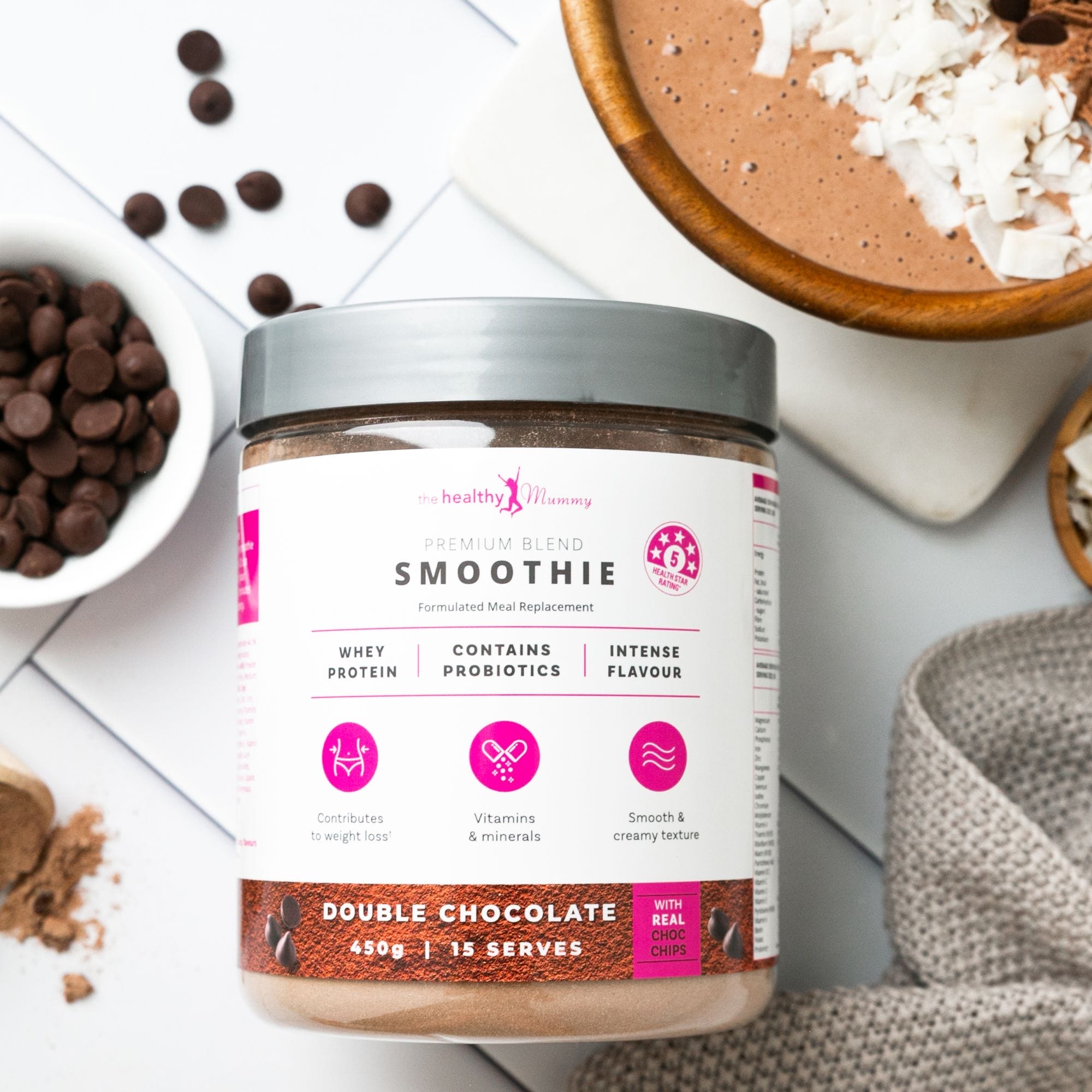
Be part of our friendly and supportive community
Want FREE delicious recipes, fitness tips and great specials?
© 2026 The Healthy Mummy. All Rights Reserved.




Apple and the Apple logo are trademarks of Apple Inc., registered in the U.S. and other countries. App Store is a service mark of Apple Inc., registered in the U.S. and other countries. | Google Play and the Google Play logo are trademarks of Google LLC.



19,637 Reviews

7,691 Reviews