
Nausea on a GLP-1: What to Eat When You Feel Queasy
Struggling with nausea on a GLP-1 journey? Learn what to eat when cooking smells make you queasy, how to protect protein intake, and soothing food tips.
If you have recently embarked on a GLP-1 weight-loss journey, you have probably experienced the profound shift in your hunger signals: the persistent “food noise” in your head goes quiet, you feel full after just a few mouthfuls, and late-night cravings disappear.
However, for many Australian women, that reduced appetite comes with an uncomfortable, uninvited side effect: persistent mild nausea, queasiness, or an intense aversion to food.
Suddenly, the smell of garlic in a hot pan turns your stomach. Steaming chicken breast looks completely unappealing. You know your body needs fuel, protein, and nutrients, but the mere thought of sitting down to a heavy family meal makes you want to curl up on the couch.
Here is the reassuring news: nausea is usually temporary and manageable with the right nutritional adjustments. Understanding why it happens and making strategic food swaps can help soothe your stomach while keeping your energy, hydration, and metabolism supported.
At a Glance: Quick Food Rules for Queasiness
- Why It Happens: GLP-1 receptor pathways naturally slow down gastric emptying (how fast food leaves your stomach). When food stays in the stomach longer, heavy meals trigger fullness and nausea.
- Sip, Don’t Chew: When solid food turns your stomach, chilled liquid nutrition such as a smooth, high-protein meal replacement shake—is far easier for a sluggish stomach to digest.
- Eat Cold or Room Temperature: Warm, steaming foods release strong volatile food aromas that trigger sensory nausea. Cold foods have virtually no aroma.
- Separate Fluids from Meals: Do not chug a huge glass of water while eating. Drink fluids 30 minutes before or after meals to avoid overfilling your stomach.
Why Does Queasiness Occur on a GLP-1 Journey?
To relieve nausea, it helps to understand the underlying physiology.
Your digestive tract naturally produces GLP-1 (glucagon-like peptide-1), an incretin hormone secreted by the L-cells in your intestine in response to food. One of its primary biological jobs is to delay gastric emptying.
By slowing down the physical rate at which food passes from your stomach into your small intestine, your body:
- Blunts sharp post-meal blood sugar and insulin spikes.
- Sends sustained signals of fullness to the hypothalamus in your brain.
However, when digestion slows dramatically, eating your “normal” pre-journey portion sizes or consuming heavy, high-fat, or greasy foods leaves physical volume trapped in the stomach for hours. This excess pressure triggers vagal nerve receptors that signal queasiness, reflux, and bloating.
Foods That Soothe vs. Foods That Trigger Nausea
When cooking smells make you queasy, use this food guide to keep your stomach settled:
Gentle Foods That Soothe Nausea Trigger Foods to Avoid When Queasy Chilled Liquid Meals: Smooth, cold GLP-1 friendly protein shakes blended with ice and water or light milk. High-Fat & Deep-Fried Foods: Fried takeaway, greasy pastries, creamy carbonara, and fatty sausages (fat delays gastric emptying further). Bland, Crisp Carbohydrates: Plain wholegrain toast, water crackers, dry rice cakes, or a cold baked potato. Heavily Spiced & Acidic Dishes: Hot curries, chilli sauces, garlic-heavy meals, citrus marinades, and vinegar glazes. Natural Digestives: Fresh ginger tea, ginger slices in warm water, peppermint tea, or chamomile. Steaming, Strong-Smelling Meats: Hot roast chicken with skin, pan-fried salmon, or boiled eggs with warm yolks. Cold Hydrating Fruits: Chilled watermelon slices, honeydew melon, frozen grapes, and green apples. Concentrated Sugars & Soda: Carbonated fizzy drinks, full-sugar fruit juices, and iced pastries that create fermentation in slow guts.
6 Practical Strategies When You Can’t Face Food
1. Switch to Cold Liquid Nutrition
When chewing meat or vegetables feels impossible, your digestive system handles cold liquids with significantly less mechanical effort.
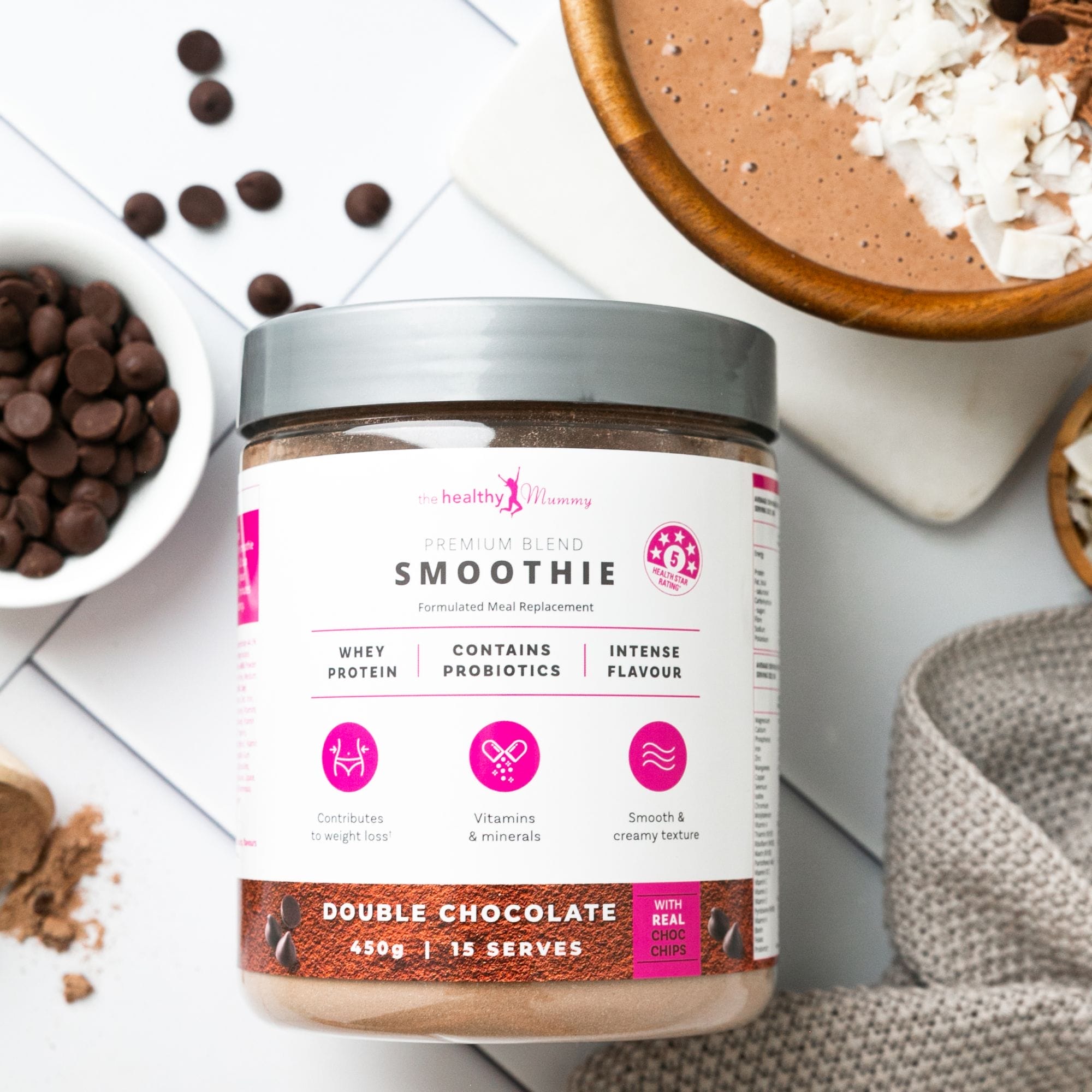
A chilled, high-protein shake requires zero breakdown by teeth and passes gently through the stomach lining without triggering fullness discomfort. Using a specialized formula like The Healthy Mummy GLP-1 Friendly Shakes ensures you obtain 20g+ of bioavailable whey and plant proteins, gut-soothing prebiotic fibre, and 25 essential vitamins in a light 250ml drink that won’t overwhelm your stomach.
2. Eat Food Cold or at Room Temperature
Have you noticed that your nausea peaks while cooking dinner for the family? That is because heating food vaporises aromatic fatty acids that stimulate the olfactory nerves in your nose, instantly sending nausea signals to your brain’s vomiting centre.
Letting your meals cool to room temperature—or opting for cold alternatives like overnight oats, chilled frittatas, or cold poached chicken salad eliminates 90% of food aromas.
3. Use the “Rule of Halves”
If you try to eat the same dinner portion you ate six months ago, your stomach will rebel. Serve yourself half of what you think you can eat on a small side plate or bread plate. Tell yourself: “I can always go back for more in two hours if I am still hungry.” This takes the psychological pressure off finishing a meal.
4. Harness the Power of Ginger & Peppermint
Ginger has been used for centuries as a clinically proven, safe antiemetic. The bioactive compounds in ginger (gingerols and shogaols) accelerate gastric emptying and block serotonin receptors in the gut lining that signal nausea.
- Sip on fresh ginger root steeped in boiling water with a squeeze of fresh lemon.
- Keep pure peppermint oil nearby—simply inhaling the scent of peppermint oil on a tissue has been shown in clinical trials to reduce post-operative and gastrointestinal nausea by up to 50%.
5. Don’t Drink and Eat at the Same Time
Drinking a large glass of water while eating dinner floods your stomach with excess fluid volume, stretching the gastric walls and causing food to float. This intensifies nausea and can trigger acid reflux.
Follow the 30-Minute Separation Rule: Stop drinking fluids 15 minutes before eating, and wait 30 minutes after finishing a meal before resuming your water intake.
6. Protect Your Lean Muscle Mass
When nausea causes your food intake to drop to just 800 or 1,000 calories a day, your body does not just burn body fat, it strips amino acids from your skeletal muscle tissue for survival. This loss of muscle slows down your basal metabolic rate, making long-term weight maintenance much harder.
Even on your queasiest days, making protein your absolute priority (aiming for at least 60g to 80g across the day) protects your metabolism and preserves your skin elasticity.
What a Gentle “Queasy Day” Meal Plan Looks Like
When you need to nourish yourself without triggering nausea, try this low-odour, easy-to-digest daily framework:
- 7:30 AM (Wake Up): Cup of warm water with sliced fresh ginger and a slice of dry sourdough or 2 plain water crackers.
- 9:00 AM (Morning Fuel): 1 scoop of The Healthy Mummy GLP-1 Friendly Shake blended with unsweetened almond milk and lots of ice. Sip slowly over 20 minutes.
- 12:30 PM (Lunch): Half a cup of plain high-protein Greek yoghurt topped with chilled blueberries and pumpkin seeds.
- 3:30 PM (Afternoon Recess): Cup of peppermint tea + a small handful of raw unsalted cashews or 1 hard-boiled egg sprinkled with sea salt.
- 6:30 PM (Dinner): 80g of cold shredded chicken breast mixed with a diced cucumber and a small spoon of tzatziki, served with ½ a baked jacket potato.
Frequently Asked Questions
How long does nausea typically last on a GLP-1 journey?
For most women, nausea is most noticeable during the first 2 to 4 weeks of starting, or immediately following an adjustment period. As your body’s gastrointestinal tract and central nervous system adapt to slower gastric motility, symptoms usually subside into mild appetite reduction.
Is it better to force myself to eat when nauseous or skip meals?
You should avoid forcing down large, heavy solid meals, but completely skipping food for days is equally problematic because an empty stomach produces excess gastric acid that worsens nausea. The ideal solution is having small, frequent sips of cold, nutrient-dense liquid nutrition or bland crackers every 3 hours.
Why are high-protein shakes recommended during periods of nausea?
Formulated shakes provide a concentrated source of high-biological-value protein, electrolytes, and micronutrients in a gentle, low-odour liquid format. They deliver complete nourishment in under 250ml of volume without requiring heavy stomach churning.
When should I contact my doctor about nausea?
While mild queasiness is a known and manageable symptom, you should contact your prescribing doctor or healthcare provider if you experience persistent vomiting, inability to keep fluids down for more than 24 hours, severe abdominal cramping, or signs of acute dehydration (dark urine, severe dizziness).
Explore Companion Nutrition for Your Journey
Support your daily protein goals, muscle tone, and digestive comfort with our gentle, formulated range:
- Discover our new Healthy Mummy GLP-1 Friendly Shake Range (low-sugar, high-protein & gentle on digestion).
- Read our guide to The Best Milk for Weight Loss & Smoothies.
- Understand sudden scale fluctuations with What Exactly is Water Weight?.
Disclaimer: This article provides general nutritional education and lifestyle information only and does not constitute medical advice. Always consult your GP, specialist doctor, or accredited healthcare professional regarding your individual health plan, symptoms, or medication management.
BMI Calculator
Welcome to our FREE BMI Calculator. The Healthy Mummy has helped 100,000's of mum lose weight and regain their body confidence and we are confident that we can help you do the same too.rnrnUse this BMI calculator to check your body mass index (BMI) and find out if you’re a healthy weight
Is Body Mass Index reliable?
Please enter your weight and height as accurate as possible. Your results will appear here.


Be part of our friendly and supportive community
Want FREE delicious recipes, fitness tips and great specials?
© 2026 The Healthy Mummy. All Rights Reserved.




Apple and the Apple logo are trademarks of Apple Inc., registered in the U.S. and other countries. App Store is a service mark of Apple Inc., registered in the U.S. and other countries. | Google Play and the Google Play logo are trademarks of Google LLC.



19,739 Reviews

7,738 Reviews