
Protecting Muscle on a GLP-1: How to Prevent Sarcopenia
Losing weight fast on a GLP-1? Learn why preserving lean muscle mass is vital for your metabolism, how to prevent sarcopenia, and easy daily protein tips.
Clinical Nutrition Priority: Rapid weight loss with reduced appetite can cause up to 25% to 40% of total lost kilograms to come from lean muscle tissue rather than pure fat. This guide outlines evidence-based daily protein formulas, anti-sarcopenia strategies, and practical ways to hit your protein targets on smaller portions.
When you embark on a GLP-1 journey, seeing the numbers on the bathroom scale drop rapidly each week is exciting. Your clothes loosen up, daily movement feels lighter, and the stubborn “food noise” that once dominated your day goes quiet.
However, beneath the surface of rapid weight reduction lies a critical biological question every woman needs to consider: What exact kind of tissue are you actually shedding? When daily calorie intake drops by half, your body does not selectively burn only fat stores. Without intentional protein intake, your body readily breaks down your greatest metabolic asset: lean skeletal muscle mass.
At a Glance: Why Muscle Is Your Metabolic Engine
- The Sarcopenia Risk: In severe calorie deficits, your body breaks down muscle proteins into free amino acids for energy if dietary protein is insufficient.
- Metabolic Slowdown: Every kilogram of muscle lost permanently reduces your Basal Metabolic Rate (BMR), setting you up for a stubborn weight-loss stall.
- The 1.2g to 1.6g Formula: Aim for 1.2g to 1.6g of dietary protein per kilogram of ideal body weight every day (typically 75g to 100g daily for most women).
- Liquid Companion Nutrition: When solid meat feels heavy or triggers queasiness, smooth, high-protein shakes deliver bioavailable amino acids without overwhelming a small appetite.
- Resistance Over Cardio: Two 20-minute gentle bodyweight or resistance-band sessions per week signal your muscles to stay intact.
Fat Loss vs. Muscle Loss: What Is Happening Inside?
In clinical sports medicine, losing muscle mass during weight loss is referred to as nutritional sarcopenia. When your stomach is too full to eat, your liver and kidneys look for amino acids to support organ function and maintain blood glucose levels. If dietary protein is missing, your body extracts those amino acids directly from your biceps, glutes, and thighs.
Body Tissue Biological Role What Happens If You Lose It Adipose Body Fat Stored fuel; minimal metabolic burn (~4.5 kcal per kg/day). Desired Result: Shrinks waistline, reduces inflammation, and improves health markers. Skeletal Muscle Mass Metabolically active engine; burns ~13 kcal per kg/day at rest, controls glucose disposal, supports joints and posture. Harmful Result: Triggers a weight-loss plateau, increases physical fatigue, and causes loose, sagging skin. Connective Tissue & Bone Structural matrix requiring daily collagen building blocks, calcium, and vitamin D. Deficiencies compromise joint stability and reduce long-term bone density.
The 3 Consequences of Losing Muscle on Low Appetite
1. Your Resting Metabolic Rate (BMR) Drops Permanently
Skeletal muscle is responsible for clearing more than 75% of glucose from your bloodstream after meals. If you lose 6kg of total weight and 2.5kg of that is muscle, your body burns noticeably fewer calories every single minute of the day. This drop in metabolic output is the exact reason why weight returns rapidly once appetite normalises.
2. The “Skinny Fat” Look & Exaggerated Loose Skin
Muscle tissue is the firm structural scaffolding that sits directly beneath your skin. When you lose fat and muscle simultaneously, there is no underlying tissue left to support your skin envelope. This worsens loose, crepelike skin around the upper arms, inner thighs, stomach, and neck (learn more in our post-pregnancy loose skin guide).
3. Maternal Fatigue & Physical Frailty
When muscle mass deteriorates, simple daily tasks, lifting children into car seats, carrying heavy groceries, pushing the pram uphill, or walking up stairs—become exhausting. Preserving muscle preserves physical stamina and vitality.
How Much Protein Do You Actually Need?
While standard guidelines recommend 0.75g to 0.8g of protein per kilogram for sedentary adults, clinical sports dietitians confirm that during energy restriction, protein requirements surge to prevent tissue breakdown.
The Sarcopenia Defence Formula:1.2g to 1.6g of dietary protein × Ideal Goal Weight (kg)
For example: If your healthy target weight is 65kg, multiply 65 × 1.3g = approx. 85 grams of protein every day.
4 Practical Strategies to Hit Protein on a Low Appetite
GLP-1 pathways naturally slow down gastric emptying. Dense solid proteins like a 150g grilled steak or dry chicken breast sit heavily in the stomach for hours, often triggering queasiness or food aversion. Here is how to meet your targets comfortably:
1. Lean on Liquid Companion Nutrition
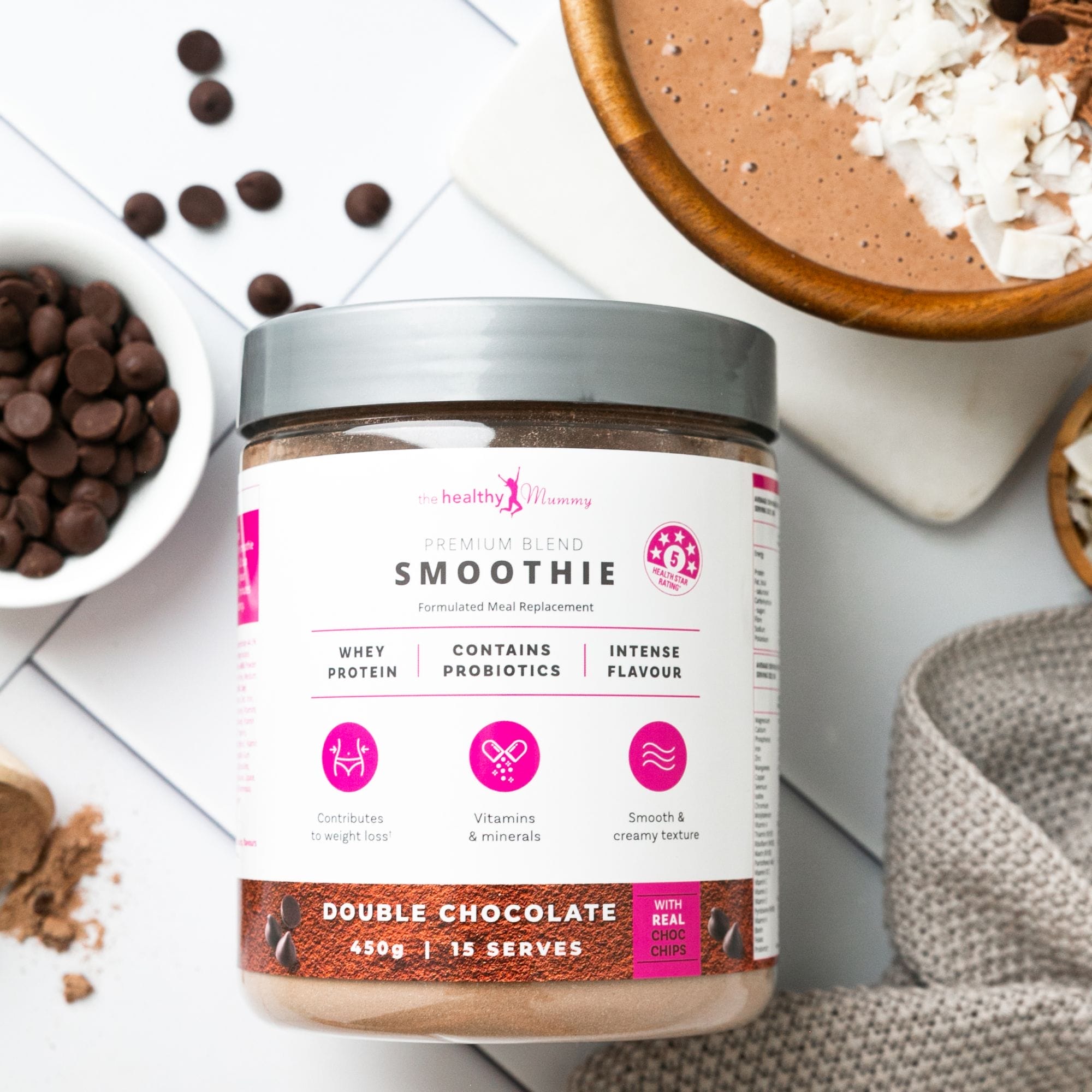
When chewing solid meat feels overwhelming, cold liquid nutrition is digested with far less stomach effort. A chilled, formulated high-protein drink passes smoothly through the digestive tract without causing uncomfortable fullness. Formulations like The Healthy Mummy GLP-1 Friendly Shakes provide 20g+ of whey and plant proteins, amino acids (BCAAs), and 25 essential vitamins in a light 250ml drink.
2. Adopt the “Protein First” Rule
Whenever you sit down to eat, eat the protein portion of your meal first. Because your stomach signals satiety within 4 to 5 mouthfuls, eating your rice or salad first means leaving the most valuable muscle-preserving protein untouched.
3. Distribute Protein Evenly (The Leucine Threshold)
Muscle protein synthesis requires approximately 20g to 30g of protein per meal (containing 2g to 3g of the essential amino acid leucine) to stimulate the cellular trigger for repair. Spreading your protein across 3 smaller servings maintains muscle synthesis throughout the day.
4. Keep High-Protein Savoury Snacks Nearby
Small, frequent protein bites are much easier to tolerate than large plates of food. Stock your fridge with hard-boiled eggs (12g protein per 2 eggs), high-protein Greek yoghurt (14g per half-cup), or explore our 15 Best Savoury Protein Snacks for convenient snack prep.
Sample “Muscle-Preserving” Day for Small Appetites
Here is how a busy mum can easily reach 85g of muscle-preserving protein without feeling heavy or uncomfortably full:
- Breakfast (8:00 AM): 1 scoop of The Healthy Mummy GLP-1 Friendly Shake blended with unsweetened soy milk or skim milk and ice (~220 kcal | 24g protein).
- Morning Tea (10:30 AM): 1 hard-boiled egg with a small handful of raw almonds (~160 kcal | 8g protein).
- Lunch (1:00 PM): ½ cup of high-protein plain Greek yoghurt mixed with 1 tsp chia seeds and fresh raspberries (~160 kcal | 15g protein).
- Afternoon Recess (3:30 PM): 2 wholegrain rice cakes topped with 80g of cottage cheese and black pepper (~140 kcal | 11g protein).
- Dinner (6:30 PM): 100g of grilled skinless chicken tenderloins or baked salmon with ½ cup steamed broccoli and small roasted sweet potato (~380 kcal | 27g protein).
- Daily Totals: ~1,060–1,200 kcal | 85g Complete Bioavailable Protein.
The Non-Diet Factor: Gentle Resistance Training
While dietary protein provides the raw amino acid bricks to preserve muscle, resistance exercise provides the mechanical signal telling your body to keep those bricks in place. You do not need to lift heavy weights at a gym:
- Bodyweight Basics: Gentle wall push-ups, chair squats, glute bridges, and calf raises signal muscles they are needed.
- Elastic Resistance Bands: Joint-friendly loop bands offer progressive resistance that tones muscle without joint strain.
- Consistency Over Volume: Two 20-minute sessions per week combined with 80g of daily protein is enough to halt muscle loss.
Frequently Asked Questions
How do I know if I am losing muscle rather than fat?
If weight drops quickly but your stamina collapses, carrying groceries feels significantly heavier, your skin looks crepelike or loose, and your silhouette feels “soft” rather than firm, you are likely losing lean muscle alongside fat. A medical DEXA scan or bioimpedance scale can provide accurate lean body mass numbers.
Can protein shakes completely replace meals when I am not hungry?
Formulated meal replacement shakes can replace 1 to 2 meals per day when solid wholefoods feel too heavy on a suppressed appetite. However, they should complement wholefoods (like eggs, fish, vegetables, and nuts) whenever possible to support diverse gut microbiome health.
Will drinking protein shakes make women bulky?
No. Women do not have the hormonal profile to build bulky muscle accidentally. Consuming 80g to 90g of protein during weight loss simply preserves your existing muscle framework, maintaining a toned silhouette and protecting resting metabolic rate.
What is the best milk to blend with protein shakes?
Skim cow’s milk and unsweetened soy milk are best for boosting protein, adding ~8g of complete protein per cup. Unsweetened almond milk is best if you want a creamy texture while keeping calories under 35 kcal (compare options in our Best Milk for Weight Loss Guide).
Companion Nutrition For Your Journey
Protect Your Muscle & Metabolism on Smaller Portions
Formulated specifically for low-appetite journeys: deliver 20g+ bioavailable protein, 25 essential vitamins & minerals, and soothing prebiotic fibre in a gentle, delicious shake that won’t overwhelm a sensitive stomach.
Scientific References & Nutrition Guidelines
- National Health and Medical Research Council (NHMRC): Nutrient Reference Values for Australia and New Zealand – Protein
- International Society of Sports Nutrition (ISSN): Position Stand on Protein and Exercise (1.4g–2.0g/kg/day for lean mass retention)
- Clinical Nutrition Journal: Mechanisms of Lean Mass Sarcopenia During Rapid Calorie Restriction and GLP-1 Therapy
*Disclaimer: This article provides general nutritional education only and does not constitute medical advice. Consult your GP, specialist doctor, or accredited sports dietitian regarding your personal health plan, clinical symptoms, or physical training routine.


BMI Calculator
Welcome to our FREE BMI Calculator. The Healthy Mummy has helped 100,000's of mum lose weight and regain their body confidence and we are confident that we can help you do the same too.rnrnUse this BMI calculator to check your body mass index (BMI) and find out if you’re a healthy weight
Is Body Mass Index reliable?
Please enter your weight and height as accurate as possible. Your results will appear here.



Be part of our friendly and supportive community
Want FREE delicious recipes, fitness tips and great specials?
© 2026 The Healthy Mummy. All Rights Reserved.




Apple and the Apple logo are trademarks of Apple Inc., registered in the U.S. and other countries. App Store is a service mark of Apple Inc., registered in the U.S. and other countries. | Google Play and the Google Play logo are trademarks of Google LLC.



19,742 Reviews

7,738 Reviews