
How to Lose Weight Without Exercise: 8 Practical Steps for Busy Mums
Looking to lose some weight without taking up exercising? These eight simple ways will help you achieve your weight loss goal without breaking a sweat.
Between caring for young children, managing a household, working, and recovering from childbirth or physical injury, finding 45 minutes a day for a sweaty gym workout can feel completely impossible.
If you are currently physically unable to exercise—or simply do not have the time or energy—you might feel like your weight-loss goals are out of reach.
Here is the reassuring truth: you do not need to exercise to lose weight.
While structured exercise is wonderful for cardiovascular fitness, bone density, and mental health, fat loss is almost entirely determined by energy balance. Clinical nutritional science consistently demonstrates that what you eat accounts for approximately 75% to 80% of your body composition results, while formal workouts account for only 5% to 10% of your total daily energy burn.
Whether you are recovering from a c-section, navigating pelvic floor issues, nursing an injury, or simply exhausted, here is how you can lose weight steadily, safely, and sustainably without stepping foot in a gym.

At a Glance: Quick Answer
Can you lose weight without working out? Yes. Fat loss occurs when your body is in a moderate calorie deficit (burning slightly more energy than you consume).
The 80/20 Rule: Nutrition drives ~80% of fat loss; formal gym workouts account for less than 10% of total daily calorie expenditure.
Your Secret Weapon (NEAT): Everyday movement—carrying kids, doing housework, pram walks—burns far more kilojoules across a full week than a 30-minute gym class.
Safe Rate of Loss: 0.5kg to 1kg per week (2kg to 4kg per month), which preserves lean muscle and avoids metabolic slowdown.

The Science: Where Your Body Actually Burns Energy
To understand why formal workouts are not mandatory for fat loss, it helps to see how your body burns energy every day. Your Total Daily Energy Expenditure (TDEE) is split into four distinct buckets:
Energy Component What It Is % of Daily Burn Can You Influence It? Basal Metabolic Rate (BMR) Energy burned keeping organs functioning, breathing, and pumping blood at rest. 60% – 70% Yes (protect it with adequate protein and avoiding crash diets). Non-Exercise Activity (NEAT) Unplanned movement: walking around the house, folding washing, carrying groceries, pram pushing. 15% – 30% Yes (your biggest daily fat-loss lever without workouts). Thermic Effect of Food (TEF) Energy burned chewing, digesting, and processing meals. 8% – 10% Yes (higher with high-protein and high-fibre foods). Exercise Activity (EAT) Planned, intentional workouts: HIIT, gym classes, running, spin workouts. Only 5% – 10% Optional for fat loss; exercise alone burns relatively little compared to diet.
As the breakdown illustrates, formal exercise represents the smallest fraction of your daily calorie burn. Dialling in your nutrition and optimising daily movement (NEAT) delivers dramatic results without ever buying a gym membership.
8 Practical Ways to Lose Weight Without Working Out
1. Calculate and Respect Your Calorie Needs (Avoid Crash Diets)
To lose body fat, you need to consume slightly less energy than your body uses—creating a moderate deficit of approximately 300 to 500 calories (1,250–2,100 kJ) per day.
However, the biggest mistake women make when not exercising is slashing their calories too low (e.g., trying to survive on 1,000 calories a day). Dropping below your Basal Metabolic Rate (BMR) triggers hormonal adaptations:
- Your thyroid slows metabolic rate to conserve energy.
- Your body breaks down lean muscle tissue rather than fat.
- Your brain produces intense cravings that almost always lead to evening binge eating.
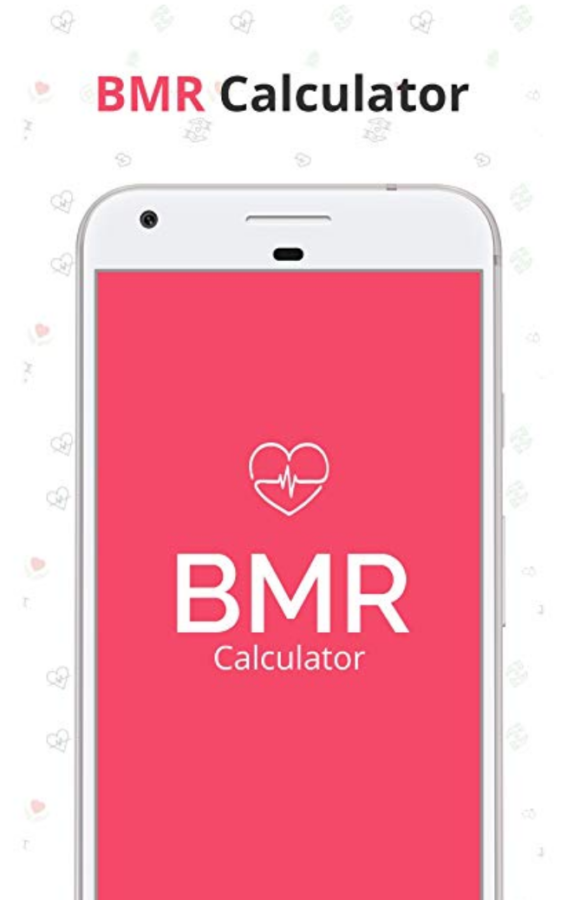
Use our Free BMR and Calorie Calculator to find your safe, personalised calorie deficit target.
2. Maximise NEAT (Movement That Doesn’t Feel Like Exercise)
NEAT stands for Non-Exercise Activity Thermogenesis. It includes all the subconscious, incidental movements you do throughout the day.
For mums, NEAT is a superpower. You don’t need a gym set to burn kilojoules:
- Pushing the pram around the block for fresh air.
- Carrying washing baskets up and down stairs.
- Pacing while talking on the phone.
- Playing on the floor with your toddlers.
- Doing 15 minutes of light gardening or tidying.
A mum who is active on her feet throughout the day can burn 300 to 500 more calories through NEAT than someone who sits at a desk for 8 hours and does a 30-minute spin class.
3. Prioritise Protein and Fibre at Every Meal
When you are not doing resistance training, eating enough protein is crucial to protect your lean muscle mass while your body sheds fat.
- High Satiety: Protein stimulates fullness hormones (peptide YY and CCK) and curbs the hunger hormone ghrelin.
- Higher Thermic Effect: Your body expends 20% to 30% of protein’s calories just breaking down its amino acids, compared to just 5% to 10% for carbohydrates and 0% to 3% for fats.
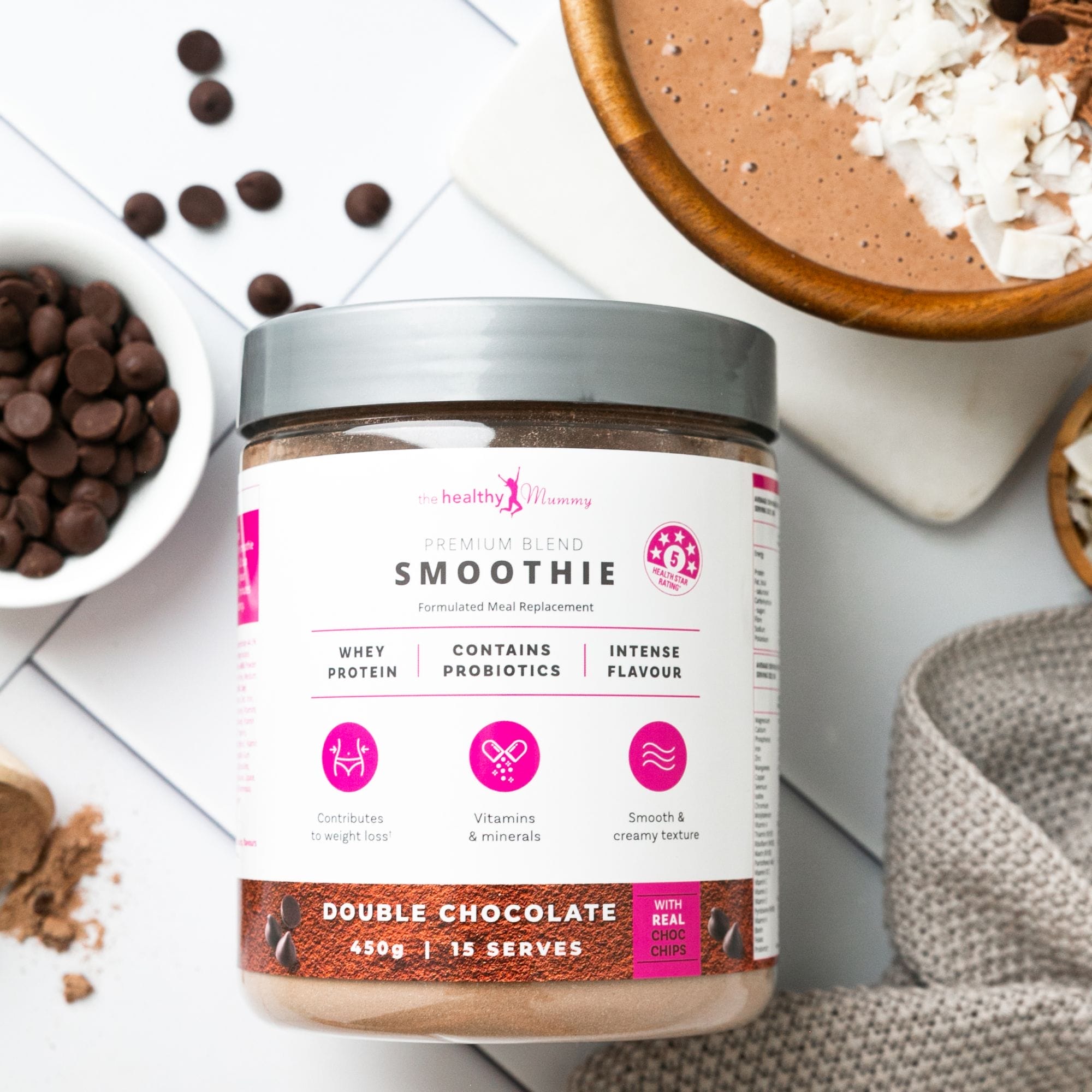
- Action Step: Aim for 20g to 30g of protein per meal. Great staples include Greek yoghurt, eggs, lean chicken breast, tofu, tuna, or a quick Healthy Mummy Smoothie. Pair your protein with high-fibre vegetables or chia seeds to keep digestion regular.
4. Eliminate Liquid Kilojoules and Prioritise Hydration
Liquid calories are the easiest way to accidentally wipe out a calorie deficit because fluids do not trigger chewing reflexes or stomach fullness stretch receptors.
- Watch out for: Cafe lattes made on full-cream milk (160–200 kcal each), store-bought fruit juices (200+ kcal), bubble teas, and alcohol.
- Make the Swap: Switch to water, herbal teas, or black coffee with a splash of skim or unsweetened almond milk. (Read our guide on the Best Milk for Weight Loss to see how milk swaps save up to 150 calories a day).
- Hydration Tip: Drink a large glass of water 15 minutes before meals. Research shows this gently expands the stomach and naturally reduces mealtime calorie consumption.

5. Go to Bed 30 Minutes Earlier (Fix Sleep Debt)
If you have young children, unbroken 8-hour sleep may sound like a fantasy. However, prioritising rest whenever possible has a direct, measurable impact on your waistline.
When you are chronically sleep-deprived:
- Ghrelin surges: Your brain produces significantly more hunger-stimulating hormones.
- Leptin plunges: The hormone that signals fullness is suppressed.
- Prefrontal cortex activity drops: Your brain’s impulse-control centre weakens, making high-sugar, high-fat comfort foods almost irresistible.
Setting a consistent bedtime boundary and switching off screens 30 minutes earlier can make sticking to healthy choices effortless the following day.

6. Remove Decision Fatigue with Meal Prep
At 6:00 PM on a hectic weeknight, with crying toddlers and exhaustion setting in, willpower does not exist. That is when takeaway apps get opened.
- The Fix: Remove the dinner question entirely by keeping portion-controlled meals ready in your freezer.
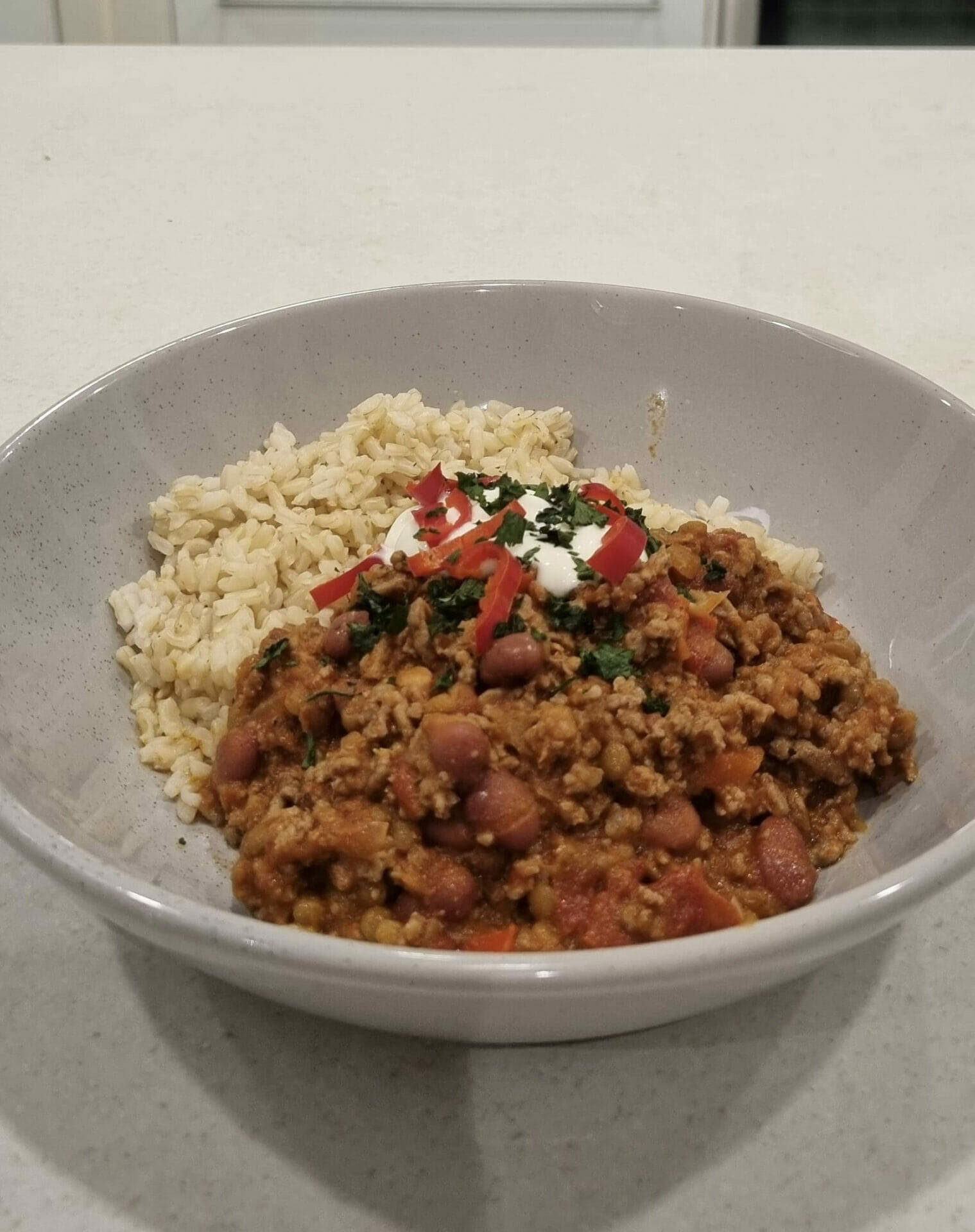
- Spend an hour on Sunday batch-cooking our Top 8 Freezer-Friendly Meals. When dinner is as simple as reheating a nutritious portion-controlled curry or bolognese, you stay on track without mental strain.

7. Manage Daily Stress and Cortisol
Chronic maternal stress keeps your sympathetic nervous system in overdrive, causing prolonged elevation of the stress hormone cortisol.
High cortisol encourages your body to store visceral fat around the abdomen and triggers cravings for dense, sugary comfort foods.
- You do not need hours of meditation. Simple 5-minute deep diaphragmatic breathing, a warm magnesium bath after the kids are in bed, or listening to a guided mindfulness track in the 28 Day Challenge App helps calm your central nervous system and regulate hunger.
8. Make One Micro-Habit Swap at a Time
Crash diets fail because they demand 100% lifestyle perfection overnight. Instead of trying to overhaul everything at once, choose one simple food swap per week:
- Week 1: Swap sweet afternoon biscuits for a measured 30g serve of the best nuts for weight loss.
- Week 2: Swap creamy salad dressings for lemon juice and extra virgin olive oil.
- Week 3: Swap sugary evening desserts for Greek yoghurt with fresh berries.
These small, painless adjustments compound into significant kilojoule savings across a month without feeling restrictive.
3 Common Traps to Avoid When You Can’t Exercise
- Thinking “I can’t exercise, so why bother trying to eat well?”: Exercise and diet are independent tools. You can make 100% of your initial weight-loss progress strictly through smart food choices.
- Cutting out carbohydrates completely: Cutting carbs causes an immediate drop in scale weight, but it is almost entirely water and stored glycogen—not fat. Extreme low-carb diets often leave busy mums irritable and exhausted. Focus on quality wholefood carbs (sweet potato, oats, brown rice) in sensible portions.
- Skipping meals to save calories: Skipping breakfast or lunch usually backfires, leading to uncontrollable evening snacking. Consistent, protein-rich meals maintain steady blood sugar throughout the day.
Frequently Asked Questions
Can you lose belly fat without exercising?
Yes. It is a biological myth that you can “spot-reduce” abdominal fat through sit-ups, planks, or gym workouts anyway. Fat is lost systemically across your entire body when you maintain a consistent, moderate calorie deficit through whole foods, adequate protein, and proper hydration.
How much weight can I realistically lose in a month without working out?
A safe, healthy, and sustainable rate of fat loss is 0.5kg to 1kg per week, which equals 2kg to 4kg per month. Losing weight at this pace ensures that you are burning stored adipose body fat rather than stripping away valuable muscle tissue.
I am recovering from a c-section / birth injury. When can I focus on weight loss?
During the immediate fourth trimester (the first 6 to 12 weeks postpartum), your body’s primary job is tissue healing and establishing milk supply (if breastfeeding). You should not enter an aggressive calorie deficit during early recovery. Instead, focus on nourishing wholefoods, gentle pelvic floor recovery, staying hydrated, and resting. Once cleared by your GP or women’s health physiotherapist, you can gently introduce a mild calorie deficit.
Does breastfeeding burn enough calories to lose weight without exercise?
Breastfeeding requires approximately 300 to 500 extra calories per day to produce breastmilk. For many mums, this natural energy expenditure creates a gentle calorie deficit. However, breastfeeding also triggers elevated prolactin, which can increase maternal appetite. Focusing on high-protein, nutrient-dense snacks prevents overeating while supporting your milk supply.
Internal Linking & Recommended Next Steps
- Calculate your exact daily energy needs with our BMR and Calorie Deficit Guide.
- Confused about fluid retention? Read Losing Water Weight vs Body Fat.
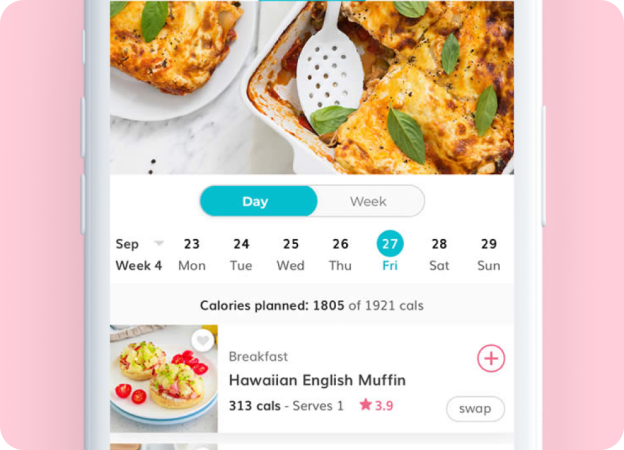
- Discover 6,000+ budget-friendly, family recipes and custom meal plans inside the 28 Day Weight Loss Challenge.
Mum loses 14kg without exercise and reverses her health issues

Christine Eccles was not able to exercise regularly, but she still joined the 28 Day Weight Loss Challenge, did the Keto meal plan and has lost 14kg! She’s also managed to reverse some of her health issues. The Queensland-based grandma first discovered The Healthy Mummy in 2018 after reading the incredible weight loss story of Cicily, who has lost 56kg through the 28 Day Weight Loss Challenge. Remarkably, she’s also managed to reverse some of her health issues. “I ordered Healthy Mummy Smoothies, Sugar X, numerous clothing items, drinking cups and snacks and I joined the 28 Weight Loss Challenge app and Facebook support group to access recipes and exercise videos,” she says.
“I was then diagnosed with Scleroderma, a rare and incurable autoimmune disease, non-alcoholic liver cirrhosis and Chronic Fatigue Syndrome and although I used the smoothies regularly for the next few years, I was letting my disease take control and I spent most of the next few years inactive and in bed.”

In Sept 2020, Christine, 49, was booked in for a hip replacement and she says she knew that she had a choice, keep gaining weight or use the opportunity to control her eating, as exercise was not an option. “By seeking advice from other Healthy Mummies, I decided on the ‘warm turkey’ approach, where you make changes slowly, in order to not feel restricted and give up early,” she says. “I took two weeks to reduce rather than cut out takeaways, two weeks to reduce processed foods and meal sizes and two weeks to cut out sugars and sweeteners. After doing all that, I lost 5kgs with no exercise.”
Christine is a HUGE fan of the keto recipes on the App
In Dec 2020, Christine started her first Challenge on the app, using the low-carb meal plan, then keto. “I was excited when The Healthy Mummy created a keto menu.” she says. “My typical day starts with bacon and egg variety dishes, chocolate and peanut butter cups, cheese, nuts, eggs or coffee cheesecake for snacks, caesar salad or smoothie for lunch and meat and green veggies for dinner (varieties).”
Christine’s health issues have improved dramatically

“I might have lost 14kgs so far and over 25cm but the most important things I have lost are the inflammation, pain, liver cirrhosis, leaky gut symptoms and my negative thoughts and lack of moving,” she says. “From XL to M and 18-20 to 14-16, off my anxiety medication and ready to start the Healthy Mummy 12 week challenge to lose the remaining 11kgs.”
Christine’s advice for other mums
1. Motivate yourself
“My advice is not to wait for motivation, it can’t just be found, you need to make a change, acknowledge the change and then your motivation will appear to keep going.”
2. Move as much as you can
“Moving a little is better than nothing at all.”
3. Find someone to join with you
“I recently moved my daughter and grandson back home to help me and in the first week she lost 5kg and she loves the tummy smoothies and has friends also now joining up. It’s great to do this journey together.”
Lose weight, boost your energy and feel good again
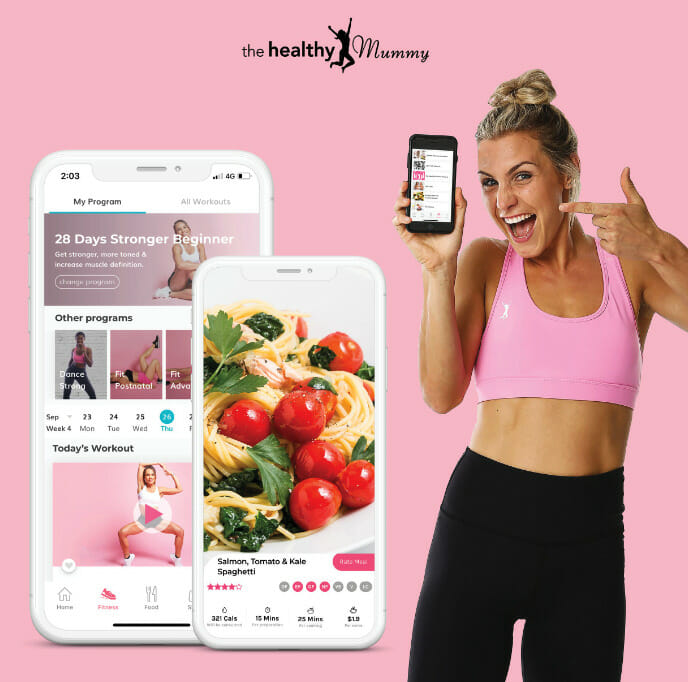
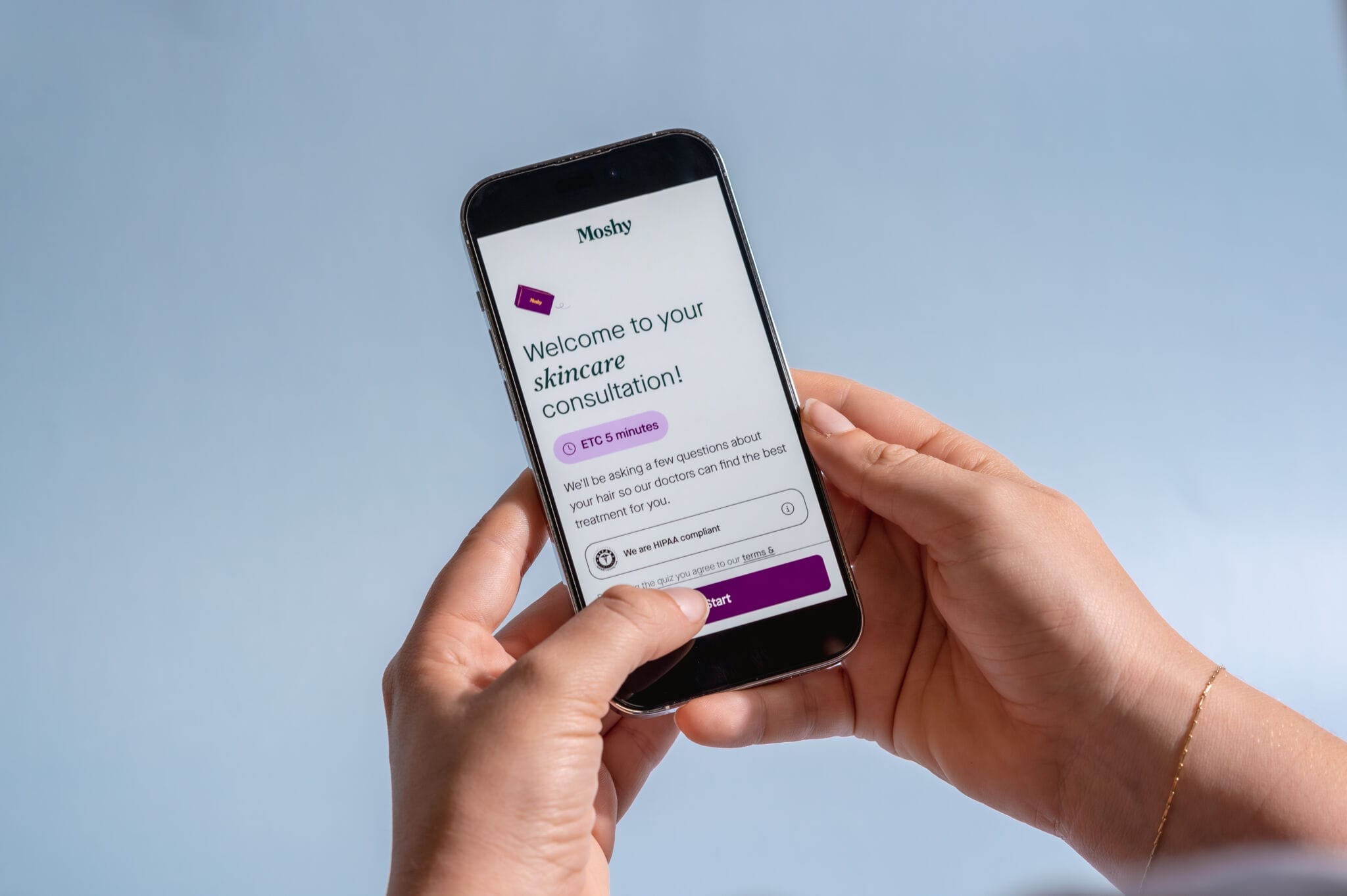
If you’re starting a weight loss journey, why not book an online consultation with one of Moshy’s expert Aussie doctors? Moshy provides expert support from Australian doctors and dietitians where and whenever you’re free.
Join Moshy today and become part of a community of thousands of women supporting each other on their journey to look and feel their best.


BMI Calculator
Welcome to our FREE BMI Calculator. The Healthy Mummy has helped 100,000's of mum lose weight and regain their body confidence and we are confident that we can help you do the same too.rnrnUse this BMI calculator to check your body mass index (BMI) and find out if you’re a healthy weight
Is Body Mass Index reliable?
Please enter your weight and height as accurate as possible. Your results will appear here.


Be part of our friendly and supportive community
Want FREE delicious recipes, fitness tips and great specials?
© 2026 The Healthy Mummy. All Rights Reserved.




Apple and the Apple logo are trademarks of Apple Inc., registered in the U.S. and other countries. App Store is a service mark of Apple Inc., registered in the U.S. and other countries. | Google Play and the Google Play logo are trademarks of Google LLC.



19,737 Reviews

7,736 Reviews