
Ginger for Healthy Ageing: The Anti-Aging and Longevity Benefits of Ginger
Discover how ginger supports healthy ageing, boosts longevity, and fights inflammation. Family-friendly tips for mums.
Healthy ageing is about feeling your best, staying active, and enjoying life as you get older. For busy mums, finding practical ways to support long-term health can be challenging. That’s where The Healthy Mummy steps in, offering evidence-based, family-friendly solutions that fit into your daily routine. One natural ingredient gaining attention for its anti-aging and longevity benefits is ginger. Let’s explore how ginger can help mums look and feel younger, backed by science and real-life results.
What Makes Ginger a Powerful Anti-Aging Superfood?
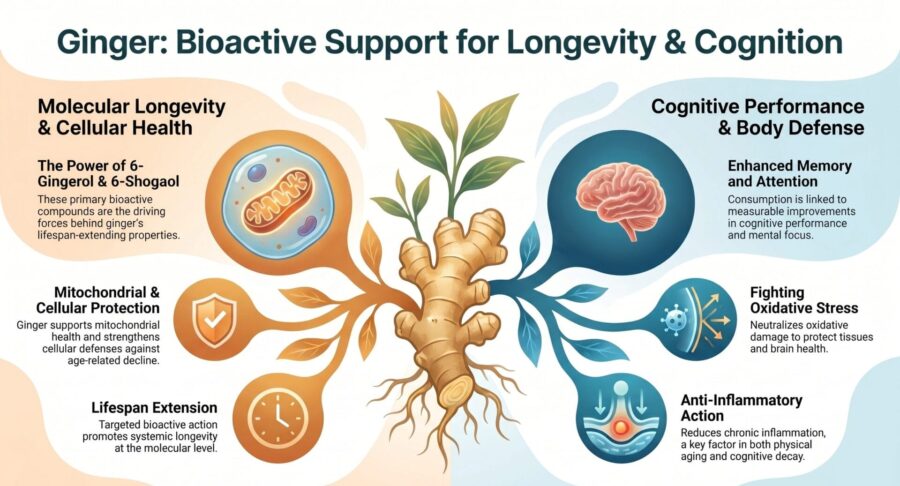
Ginger, known scientifically as Zingiber officinale, has been used for centuries in traditional medicine. Its unique bioactive compounds, such as gingerols and shogaols, are responsible for its distinctive flavour and many of its health benefits. Modern research has confirmed that these compounds have powerful antioxidant and anti-inflammatory properties, making ginger a standout among natural remedies for ageing.
Ginger’s traditional uses include easing digestion, reducing nausea, and supporting immune health. Today, scientists are investigating how ginger can help slow the ageing process and support overall wellbeing.
How Ginger Fights Ageing at the Cellular Level
Antioxidant Effects: Reducing Oxidative Stress
As we age, our bodies accumulate damage from free radicals, unstable molecules that can harm cells. This process, known as oxidative stress, is a key driver of ageing. Ginger’s antioxidants help neutralise free radicals, protecting cells from damage and supporting healthy ageing.
Anti-Inflammatory Properties
Chronic inflammation is linked to many age-related conditions, including heart disease, diabetes, and cognitive decline. Ginger’s anti-inflammatory compounds can help lower inflammation in the body, supporting joint health, brain function, and overall vitality.
Inhibiting Cellular Senescence (“Zombie” Cells)
Cellular senescence occurs when cells stop dividing but don’t die, leading to the build-up of “zombie” cells that contribute to ageing and disease. Research suggests that ginger’s bioactive compounds may help slow the accumulation of these cells, supporting healthier ageing at the cellular level.
Practical Ways to Add Ginger to Your Daily Routine
Busy mums need simple, effective ways to include healthy foods in their diets. Here are some easy ideas:
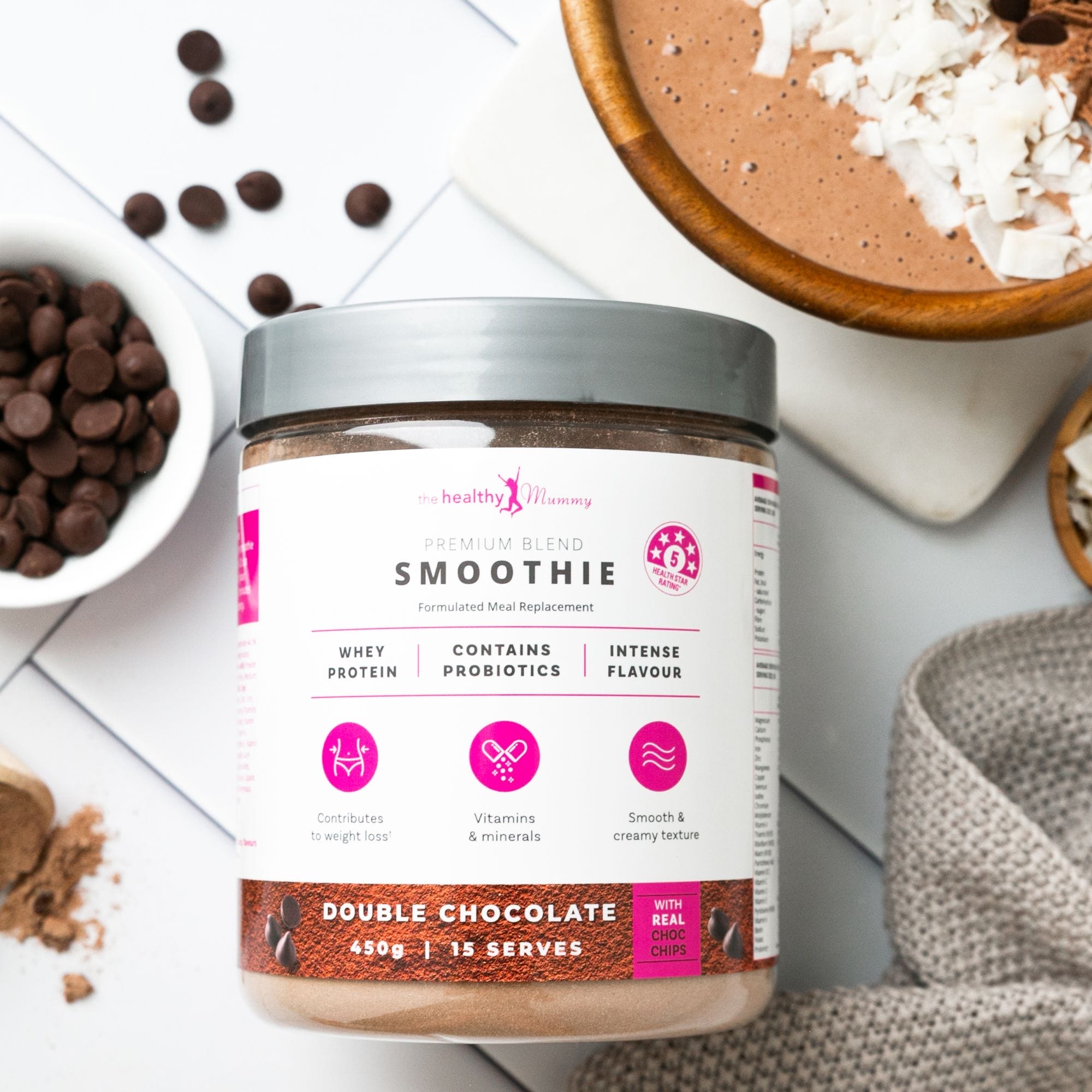
- Add freshly grated ginger to Healthy Mummy smoothies, stir-fries, or soups.
- Brew ginger tea by steeping sliced ginger in hot water.
- Sprinkle ground ginger into porridge, yoghurt, or baked goods.
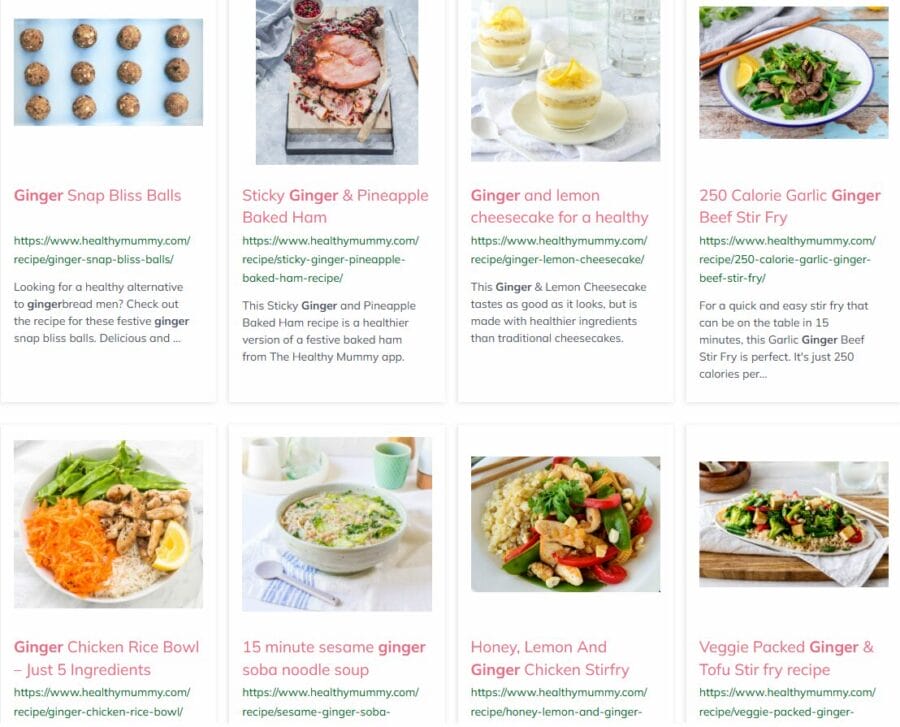
- Try The Healthy Mummy’s family-friendly recipes featuring ginger.
Safe Intake Levels and Considerations:
Most studies suggest that up to 4 grams of ginger per day is safe for most adults. If you’re pregnant, breastfeeding, or taking medication, check with your healthcare provider before increasing your ginger intake.
Ginger and The Healthy Mummy Community
Many mums in The Healthy Mummy community have shared how adding ginger to their meals has helped them feel more energised and supported their wellness goals.
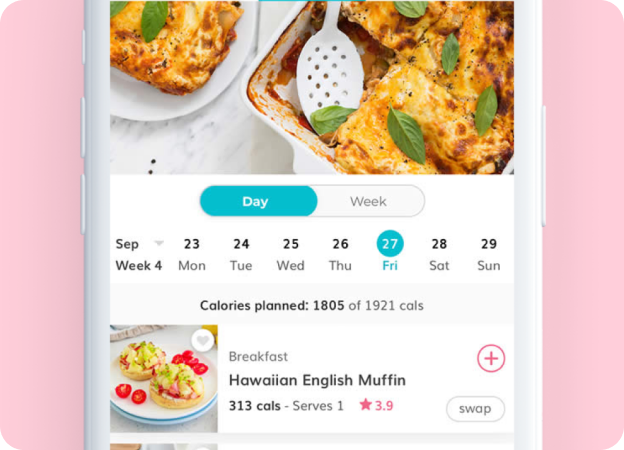
Ginger is a key ingredient in several recipes within the 28 Day Weight Loss Challenge, making it easy to enjoy its benefits as part of a balanced, family-friendly meal plan.
Supporting Healthy Ageing with The Healthy Mummy Women’s Longevity Program
While simple nutrition habits like adding ginger to your meals can help support healthy ageing, many women also want a more personalised way to understand what is happening in their body as they get older. That’s where The Healthy Mummy’s Women’s Longevity Program can help.
The program is designed for women who want to feel stronger, healthier and more energised for years to come. It takes a science-led, clinician-guided approach to long-term health, with a focus on areas that often change with age, including energy, metabolism, hormones, muscle, brain health and resilience. Rather than focusing on “anti-ageing”, the program is about adding quality to the years ahead and helping women take proactive steps earlier.
Through practitioner-led care, comprehensive screening, personalised recommendations and 6-month retesting, the Women’s Longevity Program helps women build a clearer picture of their health today, then turn those insights into practical next steps for the future. It is especially relevant for women noticing changes in energy, weight, sleep or recovery, as well as those approaching or navigating perimenopause or menopause.
Frequently Asked Questions
Is ginger safe for everyone?
Ginger is safe for most people when consumed in moderate amounts. Those with certain health conditions or on specific medications should consult a healthcare professional before making changes to their diet.
How much ginger should I have daily?
Up to 4 grams per day is generally considered safe for adults. Start with small amounts and see how your body responds.
Can ginger help with menopause symptoms?
Some studies suggest ginger may help reduce hot flashes and improve mood during menopause, but more research is needed. Many women find ginger tea soothing and helpful for digestive comfort.
Ginger is a powerful, natural ally for healthy ageing. Its antioxidant, anti-inflammatory, and metabolic benefits make it a smart addition to any mum’s diet. Try adding ginger to your meals and see how it supports your energy, immunity, and overall wellbeing.
How Fast Are You Ageing? Free Biological Age Quiz
Take our free biological age quiz to discover how fast you’re ageing.
Get personalised health span results and learn how to slow down ageing, boost energy, and live longer with science-backed lifestyle changes.
References
National Center for Biotechnology Information. “Ginger (Zingiber officinale Roscoe) in the Prevention of Ageing and Degenerative Diseases: Review of Current Evidence.” https://www.ncbi.nlm.nih.gov/pmc/articles/PMC3665023/
National Institutes of Health. “Antioxidant and Anti-Inflammatory Activities of Ginger.” https://www.ncbi.nlm.nih.gov/pmc/articles/PMC6341159/
Nutrients. “Ginger and Lifespan Extension in Animal Models.” https://www.mdpi.com/2072-6643/12/1/157
American Heart Association. “Ginger and Cardiovascular Health.” https://www.heart.org/en/news/2023/01/10/ginger-brings-zing-to-a-meal-but-does-it-do-more
National Center for Complementary and Integrative Health. “Ginger: Safety and Side Effects.” https://www.nccih.nih.gov/health/ginger




BMI Calculator
Welcome to our FREE BMI Calculator. The Healthy Mummy has helped 100,000's of mum lose weight and regain their body confidence and we are confident that we can help you do the same too.rnrnUse this BMI calculator to check your body mass index (BMI) and find out if you’re a healthy weight
Is Body Mass Index reliable?
Please enter your weight and height as accurate as possible. Your results will appear here.



Be part of our friendly and supportive community
Want FREE delicious recipes, fitness tips and great specials?
© 2026 The Healthy Mummy. All Rights Reserved.




Apple and the Apple logo are trademarks of Apple Inc., registered in the U.S. and other countries. App Store is a service mark of Apple Inc., registered in the U.S. and other countries. | Google Play and the Google Play logo are trademarks of Google LLC.



19,731 Reviews

7,735 Reviews