
GLP-1 Weight-Loss Plateau: Why the Scale Stalls & How to Fix It
Stuck on a GLP-1 weight-loss plateau while barely eating? Learn why your metabolism slows down, how fluid retention masks fat loss, and how to break the stall.
Few things in a weight-loss journey are as demoralising as stepping on the scales and seeing the exact same number staring back at you week after week, especially when you are barely eating.
For the first few weeks or months of a GLP-1 journey, weight loss often feels effortless. Your appetite drops, you eat significantly smaller portions, and the scale moves downward steadily. But then, almost without warning, progress hits a brick wall: the dreaded GLP-1 plateau.
You double-check what you are eating, drink more water, and realise you are only consuming 800 to 1,100 calories a day. Naturally, you wonder: “If I am in such a massive calorie deficit, why have the scales completely stopped moving?”
Here is the truth: a plateau does not mean your journey has failed. In fact, hitting a temporary stall is a completely normal biological response to rapid body composition changes. However, trying to “fix” it by starving yourself even further is the exact opposite of what your metabolism needs.
Here is the clinical science behind why GLP-1 weight loss stalls, the physiological traps keeping your scale stuck, and the practical steps to safely reignite steady fat loss.
At a Glance: The 4 Big Reasons Your Scale Stalled
- 1. Adaptive Thermogenesis (“Metabolic Adaptation”): When you drastically under-eat for weeks, your body defends itself against perceived starvation by down-regulating daily energy expenditure.
- 2. Inadvertent Muscle Loss (Sarcopenia): If you do not eat enough protein, your body strips amino acids from metabolically active lean muscle, permanently reducing how many calories you burn at rest.
- 3. Fluid Retention Masking Fat Loss: High cortisol from chronic calorie restriction and slower digestive transit traps extra water in your cells, hiding real fat loss on the scales.
- 4. The Fix Is Nutrition, Not Starvation: Increasing bioavailable protein, nourishing your baseline metabolism, and supporting gentle movement will break the stall far faster than cutting more calories.
What Actually Defines a True Weight-Loss Plateau?
Before changing your routine, make sure you are dealing with a genuine physiological plateau rather than normal daily scale noise.
Because your body is composed of approximately 60% water, your weight can easily bounce up or down by 1kg to 2.5kg in a single 24-hour window depending on salt intake, hormones, digestive waste, and stress levels (learn more about how water weight fluctuates overnight).
It Is Just Normal Fluctuation If: It Is a True GLP-1 Plateau If: The scale has been flat for 5 to 10 days. Your average weekly weight has not moved for 3 to 4 consecutive weeks. Your waist and clothing feel noticeably looser, but scale numbers haven’t moved. Both your scale weight AND body tape measurements remain completely unchanged. You are approaching your menstrual period, feeling constipated, or started a new workout routine. You feel constantly sluggish, freezing cold, fatigued, and your daily movement has dropped.
The 4 Hidden Reasons You Aren’t Losing Weight on a Small Appetite
1. Your Calorie Deficit Is Too Extreme (Adaptive Thermogenesis)
When you eat substantially less food than your Basal Metabolic Rate (BMR) requires, your survival biology kicks in. Your primitive brain does not know you are intentionally losing weight, it thinks you are experiencing an environmental famine.
To keep you alive, your endocrine system initiates adaptive thermogenesis:
- Your thyroid gland slows down production of active triiodothyronine (T3).
- Your resting body temperature drops slightly (which is why many women feel constantly cold).
- Your subconscious fidgeting, pacing, and incidental daily movement (NEAT) plummet to conserve fuel.
If you have been surviving on only 800 to 1,000 calories a day, your body may have down-regulated its daily burn to match that exact intake, bringing fat loss to an absolute standstill.
2. You Lost Muscle Instead of Pure Fat
During rapid weight loss, up to 25% to 40% of total weight lost can come from lean skeletal muscle if daily dietary protein is inadequate. This condition is known clinically as nutritional sarcopenia.
Muscle tissue is metabolically active, it burns kilojoules 24 hours a day simply existing. Adipose body fat, on the other hand, burns almost nothing. When you lose 4kg of muscle alongside fat, your daily metabolic burn drops significantly. If your daily protein has been falling below 60g a day because solid meat feels too heavy, your metabolism has likely slowed down.
3. Chronic Stress & Cortisol Fluid Retention
Severe calorie restriction places physiological stress on your central nervous system. In response, your adrenal glands produce elevated levels of the stress hormone cortisol.
Cortisol binds to mineralocorticoid receptors in your kidneys, causing your body to retain extra sodium and fluid. In many cases, women are still burning 0.5kg of body fat every week, but their cells are retaining 0.5kg of trapped cortisol water at the same time, meaning the bathroom scale does not move a single gram!
4. Slower Bowel Motility (Digestive Transit)
Because GLP-1 pathways naturally delay gastric emptying and slow bowel transit times, waste stays inside your digestive tract significantly longer. If you only have a bowel motion every 3 or 4 days, you may be carrying 1kg to 1.5kg of physical stool and retained digestive fluid, masking true fat loss.
5 Strategic Steps to Break a GLP-1 Weight-Loss Stall
1. Hit Your Daily Protein Target (The 1.2g Rule)
To signal to your brain that it is safe to burn stored body fat, you must protect your lean muscle. Clinical guidelines for weight-loss maintenance recommend consuming 1.2g to 1.6g of protein per kilogram of ideal body weight (typically 75g to 100g per day for most women).
When chewing dense meat feels unappealing or triggers nausea or food aversions, liquid protein is the easiest solution.
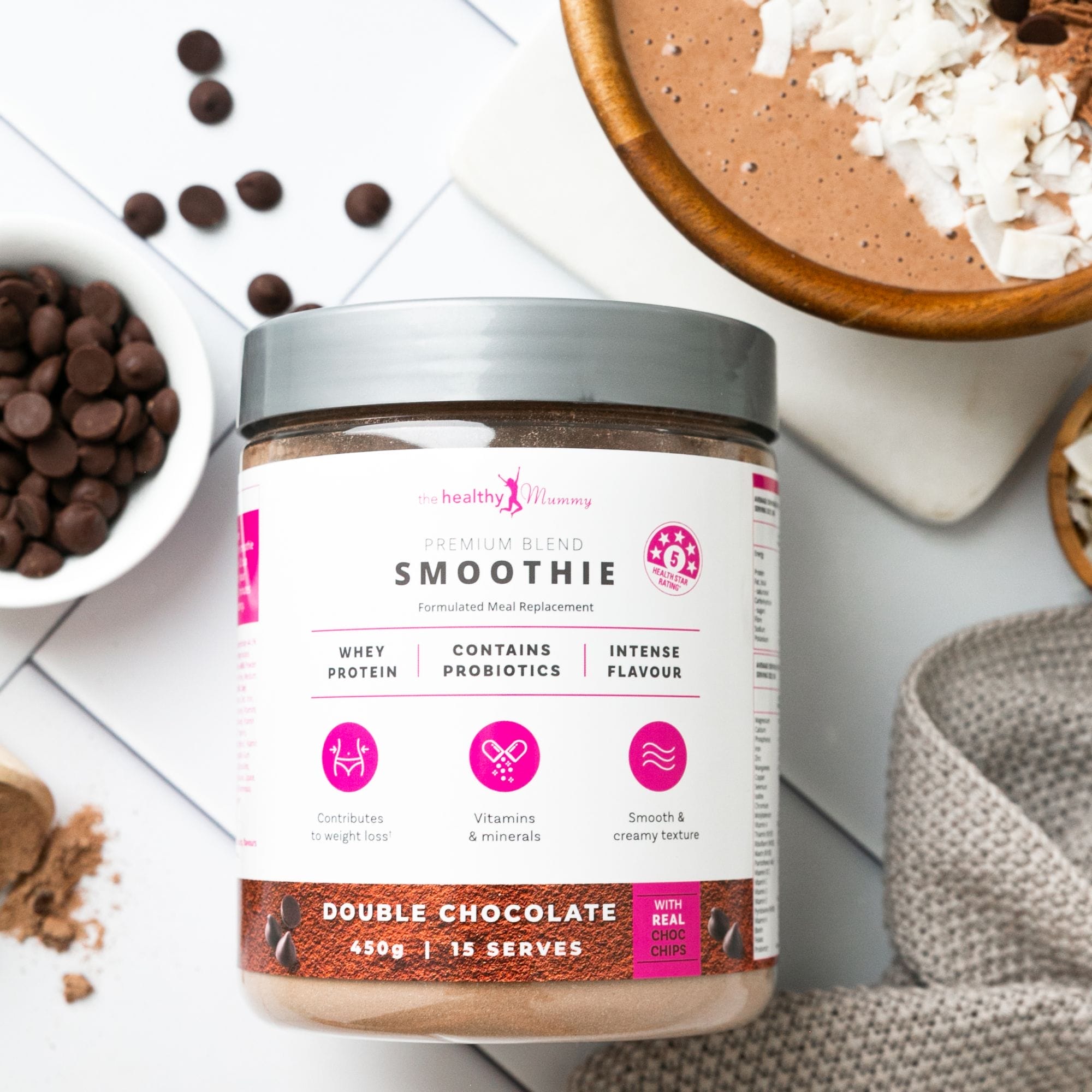
Adding a specialised, easy-to-digest shake like The Healthy Mummy smoothie for GLP-1 users delivers 20g+ of high-biological-value protein, essential amino acids, and prebiotic fibre in a smooth, light 250ml format that supports muscle repair without making you feel uncomfortably full.
2. Implement a Structured “Refeed” (Increase Quality Calories)
It sounds counter-intuitive, but eating slightly more can restart weight loss. If you have been restricted to 900 calories a day, strategically raising your intake to 1,300–1,400 calories for 3 to 5 days using complex carbohydrates (rolled oats, sweet potatoes) and lean protein signals your thyroid that food is plentiful.
This refeed revives leptin levels, encourages cortisol to drop, and prompts your kidneys to release trapped water retention.
3. Protect Your Incidental Movement (NEAT)
When feeling low on energy, you naturally sit down more without realising it. You take the lift instead of stairs, park closer to the shops, and sit on the couch while kids play.
Remember: Non-Exercise Activity Thermogenesis (NEAT) burns up to 30% of your total daily calories, far more than a 30-minute workout (learn how to lose weight with NEAT and no exercise). Aim for a gentle 20-minute pram walk or a 5,000-to-7,000 step baseline every day to keep metabolic pathways active.
4. Pair Soluble Fibre with Proper Hydration
To flush slow-moving digestive waste, you need a balance of fluid and soluble fibre. Drinking plain water without fibre passes straight through your kidneys, while eating dry fibre without enough water worsens constipation.
- Drink 2.5 litres of water spaced throughout the day.
- Incorporate gut-soothing soluble fibres like chia seeds, rolled oats, and the prebiotic fibre found in formulated companion shakes to draw moisture into the bowel and restore daily regularity.
5. Take Waist and Hip Measurements
Stop letting the digital bathroom scale dictate your mood every morning. Commit to weighing yourself only once a week (or once every fortnight) and use a flexible cloth tape measure instead.
If your waist is down 3cm and your jeans are loose, you are actively losing body fat, regardless of what the scale says!
Sample “Plateau-Busting” Daily Nutrition Framework
Here is an easy-to-follow, high-protein routine designed to nourish your metabolism, meet micronutrient needs, and break through a stubborn stall:
- Breakfast (8:00 AM): 1 scoop of The Healthy Mummy Shake for GLP-1 Users blended with chilled water or unsweetened almond milk and 1 teaspoon of chia seeds (~210 kcal | 22g protein).
- Morning Tea (10:30 AM): 1 hard-boiled egg sprinkled with sea salt or a small 30g handful of raw almonds or walnuts (~150 kcal | 6g protein).
- Lunch (1:00 PM): ½ cup of high-protein plain Greek yoghurt topped with fresh raspberries and 1 tablespoon of pumpkin seeds (~180 kcal | 15g protein).
- Afternoon Pick-Me-Up (3:30 PM): Peppermint tea + 2 wholegrain rice cakes topped with cottage cheese and sliced cucumber (~140 kcal | 12g protein).
- Dinner (6:30 PM): 100g of grilled salmon or lean chicken tenderloins with 1 cup of steamed green beans and ½ a baked sweet potato (~380 kcal | 28g protein).
Frequently Asked Questions
Should I eat fewer calories if I hit a weight-loss plateau?
No. If you are already eating a very small amount of food, reducing your calories further will only deepen metabolic adaptation and cause additional muscle loss. Instead, prioritize hitting your daily protein target (at least 75g to 90g) and consider a mild 3-day calorie refeed to revive your resting metabolic burn.
How long does a GLP-1 weight-loss plateau usually last?
A standard plateau lasts between 2 to 4 weeks while your body adjusts to its new set point, balances cortisol, and shifts fluid. With appropriate protein adjustments, gentle movement, and hydration, the scale typically resumes moving within 10 to 14 days.
Can not drinking enough water cause my weight to stall?
Yes. Dehydration prompts your kidneys to retain sodium and water, causing intracellular bloat. Furthermore, water is biochemically required for lipolysis (the metabolic process of breaking down stored fat into usable energy).
When should I speak with my doctor about a weight-loss stall?
If your scale has not moved for more than 6 weeks despite tracking protein, staying active, and drinking adequate fluids, consult your prescribing doctor or healthcare team. They can evaluate your clinical response, review potential thyroid or hormonal factors, and advise on your treatment roadmap.
Break Your Plateau with Complete Companion Nutrition
Give your body the bioavailable protein, 25 vitamins, and prebiotic fibre it needs to restart fat loss without forcing heavy meals:
- Discover The Healthy Mummy GLP-1 Friendly Shake Range (high protein, low sugar, gentle on digestion).
- Struggling with queasiness? Read our guide on Nausea on a GLP-1: What to Eat When You Feel Queasy.
- Understand scale fluctuations with What Exactly is Water Weight?.
Disclaimer: This article provides general nutritional education and lifestyle information only and does not constitute medical advice. Always consult your GP, specialist doctor, or accredited healthcare professional regarding your individual health plan, symptoms, or medication management.



BMI Calculator
Welcome to our FREE BMI Calculator. The Healthy Mummy has helped 100,000's of mum lose weight and regain their body confidence and we are confident that we can help you do the same too.rnrnUse this BMI calculator to check your body mass index (BMI) and find out if you’re a healthy weight
Is Body Mass Index reliable?
Please enter your weight and height as accurate as possible. Your results will appear here.


Be part of our friendly and supportive community
Want FREE delicious recipes, fitness tips and great specials?
© 2026 The Healthy Mummy. All Rights Reserved.




Apple and the Apple logo are trademarks of Apple Inc., registered in the U.S. and other countries. App Store is a service mark of Apple Inc., registered in the U.S. and other countries. | Google Play and the Google Play logo are trademarks of Google LLC.



19,741 Reviews

7,739 Reviews