
Best nuts for weight loss
Discover the best nuts for weight loss! Low-calorie, high-fibre nuts like almonds, pistachios, and walnuts keep you full longer. Learn how to snack smarter today!
Best Nuts for Weight Loss: The Healthiest Low-Calorie Options
For years, old-school diet culture warned us off nuts. Because they are rich in natural fats, they were routinely labelled “too high in calories” or “fattening” for anyone trying to shift kilos. If you are working hard on a healthy eating plan, sitting down with a handful of nuts might feel completely counterintuitive.
Here is the good news: modern nutritional science tells a completely different story.
Nuts are not just permissible on a weight-loss journey—they are one of the most effective, nutrient-dense snacks you can eat. When enjoyed in sensible portions, nuts provide a powerhouse combination of plant protein, dietary fibre, and heart-healthy unsaturated fats that stabilise blood sugar, trigger fullness hormones, and keep the dreaded 3:00 PM biscuit tin cravings at bay

At a Glance: Quick Answer
- Absolute Lowest-Calorie Nut: Chestnuts (~69 kcal / 290 kJ per 30g serve — naturally low in fat, high in complex carbohydrate).
- Lowest-Calorie Tree Nuts: Pistachios (~159 kcal / 665 kJ) and Cashews (~157 kcal / 657 kJ per 30g).
- Best All-Rounder for Fullness: Almonds (~160 kcal, 6g protein, and 3.5g fibre).
- Best for Beating Brain Cravings: Walnuts (~185 kcal, packed with plant-based ALA omega-3s).
- Best for Thyroid Support: Brazil Nuts (just 1 to 2 nuts meet 100% of your daily selenium needs).
- Recommended Daily Portion: 30 grams — roughly one small closed handful or 20 almonds.

Nut Nutrition Comparison (Per 30g Australian Serving)
The Australian Dietary Guidelines recommend eating a 30g serve of raw or dry-roasted nuts most days of the week.
Here is how common culinary nuts compare in calories, kilojoules, and key macronutrients based on raw, unsalted varieties:
| Nut Variety | Calories (kcal) | Kilojoules (kJ) | Protein (g) | Total Fat (g) | Dietary Fibre (g) | Standout Weight-Loss Benefit |
|---|---|---|---|---|---|---|
| Chestnuts (roasted) | 69 | 290 | 1.0 | 0.7 | 2.1 | Absolute lowest calories; starchy, low-fat alternative |
| Cashews (raw) | 157 | 657 | 5.1 | 12.4 | 1.0 | Lower fat profile; rich in energising iron and magnesium |
| Pistachios (in-shell) | 159 | 665 | 5.8 | 12.8 | 3.0 | Low calorie count; shelling them naturally slows down snacking |
| Almonds (raw, unpeeled) | 160 | 669 | 6.0 | 14.0 | 3.5 | Highest dietary fibre; proven in clinical trials to curb appetite |
| Peanuts (dry roasted)* | 166 | 695 | 7.3 | 14.1 | 2.4 | Highest protein per dollar; affordable family pantry staple |
| Hazelnuts (raw) | 176 | 736 | 4.2 | 17.0 | 2.9 | High in antioxidant vitamin E and heart-protective polyphenols |
| Walnuts (halves) | 185 | 774 | 4.3 | 18.5 | 2.0 | Highest in plant omega-3 (ALA); activates satiety centres in the brain |
| Brazil Nuts (raw) | 196 | 820 | 4.1 | 19.8 | 2.1 | Unrivalled selenium source for thyroid and metabolic function |
| Macadamias (raw) | 204 | 853 | 2.2 | 21.5 | 2.4 | Highest healthy monounsaturated fat; rich, buttery treat |
*Note: Peanuts are botanically legumes, but functionally and nutritionally consumed as culinary nuts.

The Top 6 Best Nuts for Weight Loss and Satiety
1. Almonds (The Ultimate Satiety Champion)
If there is one nut with an extraordinary body of weight-loss research behind it, it is the humble almond. Landmark clinical research led by the University of South Australia showed that incorporating whole almonds into an energy-restricted diet assisted participants with steady fat loss while helping them feel satisfied between meals.
- Why they work: A single 30g serve delivers 6 grams of muscle-preserving plant protein alongside 3.5 grams of digestive fibre. Furthermore, whole almond skins are loaded with prebiotic polyphenols that nourish beneficial gut microbes, supporting healthy digestion.
- Mum Tip: Pre-portion 30g serves into small snack containers or reusable silicone pouches at the start of the week. Keeping one in your handbag or pram caddy prevents quick impulse buys when you are running late at school pickup.
2. Pistachios (The Mindful Eating Snack)
Pistachios are among the lowest-calorie tree nuts you can buy. A standard 30g serve delivers around 45 to 49 kernels—substantially more individual bites than you get with larger nuts like macadamias or walnuts.
- Why they work: Buying pistachios in their shells is one of the easiest behavioural tricks for mindful snacking. The physical act of cracking open each shell forces you to slow down, giving your gut time to signal to your brain that you have had enough. Research often calls this the “Pistachio Principle”—the leftover pile of empty shells acts as a visual benchmark of how much you have eaten.
- Mum Tip: Keep a bowl of in-shell pistachios on the kitchen counter for post-dinner snacking when the urge to mindlessly graze strikes during evening television.
3. Walnuts (The Craving & Brain-Health Essential)
Walnuts are distinctive because they are exceptionally rich in alpha-linolenic acid (ALA), an essential plant-based omega-3 fatty acid that combats inflammation and supports cardiovascular health.
- Why they work: Clinical neuroimaging trials have shown that consuming walnuts helps stimulate the right insula—a region of the brain involved in appetite regulation and inhibitory impulse control. In plain terms: walnuts help quieten persistent “food noise” and curb cravings for sugary, ultra-processed treats.
- Mum Tip: Lightly toast walnut halves in a dry frying pan for two minutes and scatter them over a fresh rocket and roast pumpkin salad, or toss them into overnight oats for a crunchy texture contrast.
4. Cashews (Naturally Lower in Fat with Creamy Versatility)
Cashews are loved for their buttery, velvety mouthfeel, but many mums are surprised to learn that cashews actually contain less total fat than almonds, walnuts, and macadamias.
- Why they work: A 30g serve provides roughly 12.4g of fat and delivers meaningful amounts of magnesium and non-haem iron. Magnesium plays a vital role in cellular energy production and muscle recovery—making cashews an excellent afternoon pick-me-up when fatigue sets in.
- Mum Tip: Raw cashews are the secret weapon of dairy-free meal prep. Soak 50g of raw cashews in boiling water for 15 minutes, drain, and blitz with a little garlic and lemon juice to create a creamy salad dressing without mayonnaise or heavy cream.
5. Peanuts (The Budget-Friendly Protein Powerhouse)
While technically classified as a ground legume, peanuts are treated as nuts in our daily eating. At around $4 to $6 per kilogram in Australian supermarkets, peanuts offer the greatest nutritional bang for your grocery dollar.
- Why they work: Peanuts provide 7.3g of protein per 30g serve—more than any tree nut on this list. Protein has a high thermic effect, meaning your body burns more energy digesting it compared to simple carbohydrates.
- Mum Tip: Make sure to select raw or dry-roasted peanuts without added vegetable oil, hydrogenated fats, or high-sodium seasonings.
6. Brazil Nuts (Your Daily Thyroid & Metabolic Booster)
Brazil nuts are calorie-dense, coming in at close to 196 kcal per 30g, so they are not a nut you sit down and eat by the handful. However, they deserve an honourable mention for their unique micronutrient profile.
- Why they work: Brazil nuts are the world’s richest dietary source of selenium. Selenium is a vital trace mineral required by your thyroid gland to synthesise active thyroid hormones (T3 and T4), which regulate your basal metabolic rate.
- Mum Tip: You only need one to two Brazil nuts per day to meet 100% of your recommended dietary intake (RDI) for selenium. Treat them like a wholefood daily supplement rather than a casual bowl snack.
Why Nuts Do Not Cause Weight Gain: The Calorie Inabsorption Science
One of the most persistent weight-loss myths is that eating nuts will automatically lead to weight gain because “a calorie is just a calorie.”
Modern human digestive research—including clinical studies published by the United States Department of Agriculture (USDA) and Australian researchers—demonstrates that the rigid calorie numbers printed on food nutrition panels overestimate what your body actually absorbs from whole nuts:
- The Intact Cell Wall Barrier: Whole nuts are encased in fibrous cell walls. Even after thorough chewing, a meaningful fraction of those microscopic cell structures remains intact through your stomach and small intestine.
- Excretion of Unmetabolised Energy: Because your digestive enzymes cannot fully rupture every cell wall, between 15% and 30% of the fat in whole almonds and pistachios passes through the digestive tract unabsorbed.
- True Net Calorie Load: When you eat 30g of whole almonds, your body metabolises approximately 128 to 130 calories, rather than the theoretical 160 calories listed on the packaging.
- Enhanced Thermogenesis & Satiety: Because nuts require significant mechanical chewing and chemical digestion, your body expends extra energy breaking them down while releasing natural satiety hormones like cholecystokinin (CCK) and peptide YY (PYY).
TIP
Whole vs. Smooth: To maximise this fat-trapping benefit, choose whole, raw, or dry-roasted nuts with their natural skins intact. When nuts are ground into smooth nut butters, the cell walls are pulverised, meaning your digestive tract absorbs almost 100% of the available calories.
What Does a 30g Daily Portion Look Like?
Because nuts are calorie-dense, mindless grazing straight from a 500g family bag can quickly add excess kilojoules. Sticking to a 30g daily serve delivers all the metabolic, cardiovascular, and satiety benefits without blowing your daily energy budget.
If you do not have digital kitchen scales handy, here is a practical visual guide for what 30g looks like:
- Almonds: ~20 to 24 whole nuts (fills a standard small palm)
- Pistachios (in-shell): ~45 to 49 nuts (a generous double handful of shells)
- Cashews: ~16 to 18 whole nuts
- Walnut Halves: ~9 to 10 halves
- Peanuts: ~28 to 30 whole kernels
- Brazil Nuts: ~4 to 5 large nuts (remember: 1–2 is plenty for daily selenium)
- Macadamias: ~10 to 12 whole nuts
Smart Ways to Buy and Store Nuts on a Family Budget
Nuts can be an expensive grocery line item, but smart supermarket shopping makes them very economical for family meal prep:
- Head to the Baking Aisle: Supermarkets (like Coles and Woolworths) routinely charge a premium for nuts in the “Health Food” or snack aisle. Check the home-baking aisle or the international food section instead—you will often find raw almonds, walnuts, and cashews for $3 to $5 less per kilogram.
- Buy in Bulk at Wholesale Outlets: If you have access to Costco or a local bulk food cooperative, buying 1kg bags of raw almonds or walnuts drops the price per serve down to approximately 40 to 60 cents.
- Store Nuts in the Fridge or Freezer: Because nuts are rich in delicate polyunsaturated and monounsaturated oils, heat and sunlight will cause them to turn rancid over time. Keep your primary working jar in the pantry, and store the rest of your bulk bag in an airtight container in the freezer. They will stay crisp and fresh for up to 12 months.
- Watch Out for Added Oils and Salts: Scan the ingredient panel. Look for 100% nuts with no added vegetable oils (such as palm oil, sunflower oil, or canola oil) or high-sodium glazes. If you enjoy roasted flavour, spread raw nuts onto an oven tray and dry-roast at 160°C for 8 to 10 minutes at home.
Easy Meal Prep Ideas: How to Add Nuts to Your Day
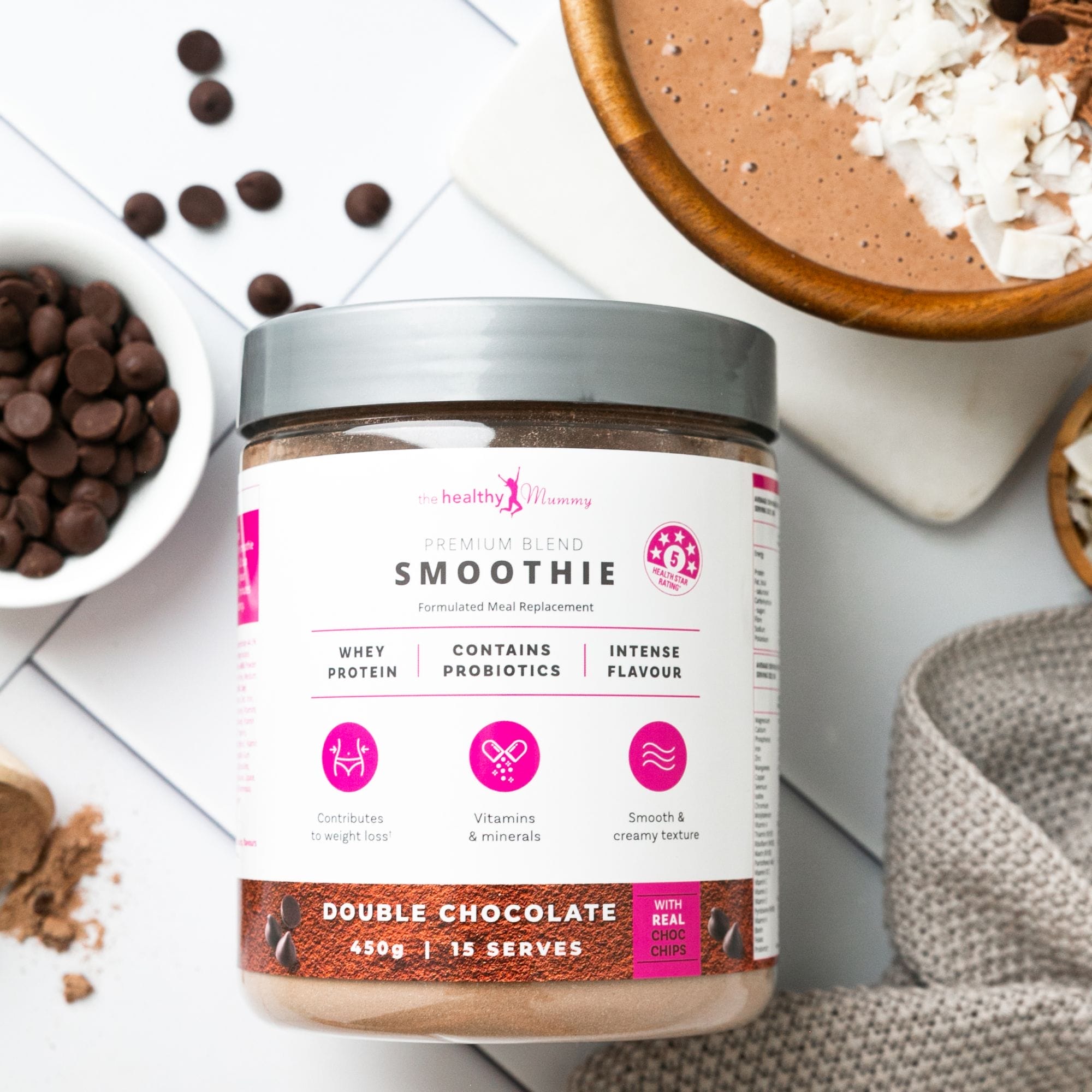
- In Your Morning Smoothie: Add 1 tablespoon (15g) of crushed raw almonds or natural peanut butter to your morning Healthy Mummy Smoothie for a silky texture, extra plant protein, and long-lasting energy.
- Crunched Over Leafy Lunches: Swap carbohydrate-heavy croutons for 15g of toasted chopped walnuts or slithered almonds over salads or roasted vegetable bowls.
- In Low-Sugar Snack Bites: Pulse raw almonds, rolled oats, chia seeds, and raw cacao into guilt-free meal-prep energy balls. Check out our favourite healthy snack recipes for lunchbox inspiration.
- Stir-Fry Crunch: Toss a small handful of unsalted cashews into a lean chicken and vegetable stir-fry during the final minute of cooking for authentic texture without fried noodles.
Frequently Asked Questions
Are raw nuts better than roasted nuts for weight loss?
Nutritionally, raw and dry-roasted nuts are almost identical in protein, fibre, and total carbohydrates. However, you should avoid “oil-roasted” nuts, which are flash-fried in cheap vegetable oils that add unnecessary calories and saturated fats. Check the ingredients list: it should state 100% nuts without added oils or sugar coatings.
Can I eat peanut butter if I am trying to lose weight?
Yes, absolutely—provided you watch your portion sizes and check the label. A single level tablespoon of 100% natural peanut butter (containing only peanuts and a pinch of salt) delivers around 95 calories and 4g of protein. Avoid processed commercial peanut spreads containing hydrogenated vegetable oils and added sugars. Because smooth nut butters are rapidly absorbed, stick to a measured 1 tablespoon serve.
What should I do if my kids’ school has a nut-free policy?
Most Australian primary schools and early learning centres enforce strict nut-free guidelines to protect children with severe anaphylaxis. Save your nut serves for your personal workday snacks, breakfast smoothies, or evening treats. For school lunchboxes, safe allergy-friendly seed alternatives include roasted pumpkin seeds (pepitas) and sunflower seeds, which provide similar healthy fats and plant protein.
Related Reading
- Pair your healthy snacks with our complete guide to How to Lose Weight Fast and Safely.
- Looking for smart drink swaps? Read our review on the Best Milk for Weight Loss.
- Explore hundreds of quick, budget-friendly meal ideas inside the 28 Day Weight Loss Challenge.



BMI Calculator
Welcome to our FREE BMI Calculator. The Healthy Mummy has helped 100,000's of mum lose weight and regain their body confidence and we are confident that we can help you do the same too.rnrnUse this BMI calculator to check your body mass index (BMI) and find out if you’re a healthy weight
Is Body Mass Index reliable?
Please enter your weight and height as accurate as possible. Your results will appear here.



Be part of our friendly and supportive community
Want FREE delicious recipes, fitness tips and great specials?
© 2026 The Healthy Mummy. All Rights Reserved.




Apple and the Apple logo are trademarks of Apple Inc., registered in the U.S. and other countries. App Store is a service mark of Apple Inc., registered in the U.S. and other countries. | Google Play and the Google Play logo are trademarks of Google LLC.



19,736 Reviews

7,736 Reviews